Listen to story here
Nigeria’s informal trade across West and Central Africa now exceeds formal trade volumes by more than double, underscoring deep structural bottlenecks in cross-border transactions, the South West Regional Director of the Nigerian Export Promotion Council, Mr. Benedict Itegbe, has disclosed.
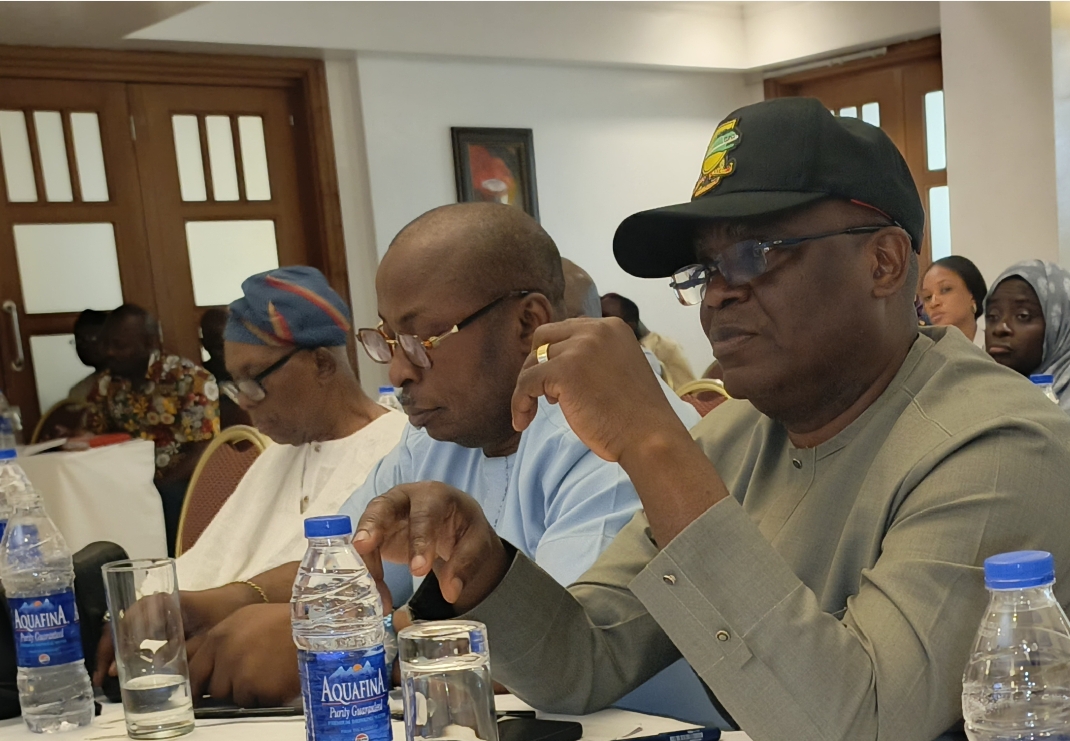
Speaking at the Nigerian Port Community Committee (NPCC) Quarterly Meeting in Lagos recently, Itegbe attributed the trend to complex payment procedures and foreign exchange constraints tied to international trade requirements set by the Central Bank of Nigeria (CBN).


According to him, the obligation for traders to source U.S. dollars for cross-border transactions remains a major impediment, particularly for small-scale exporters, thereby encouraging smuggling and informal trade routes.

He noted that emerging Pan-African payment systems could ease these constraints by simplifying transactions and reducing dependence on foreign currencies within the region.
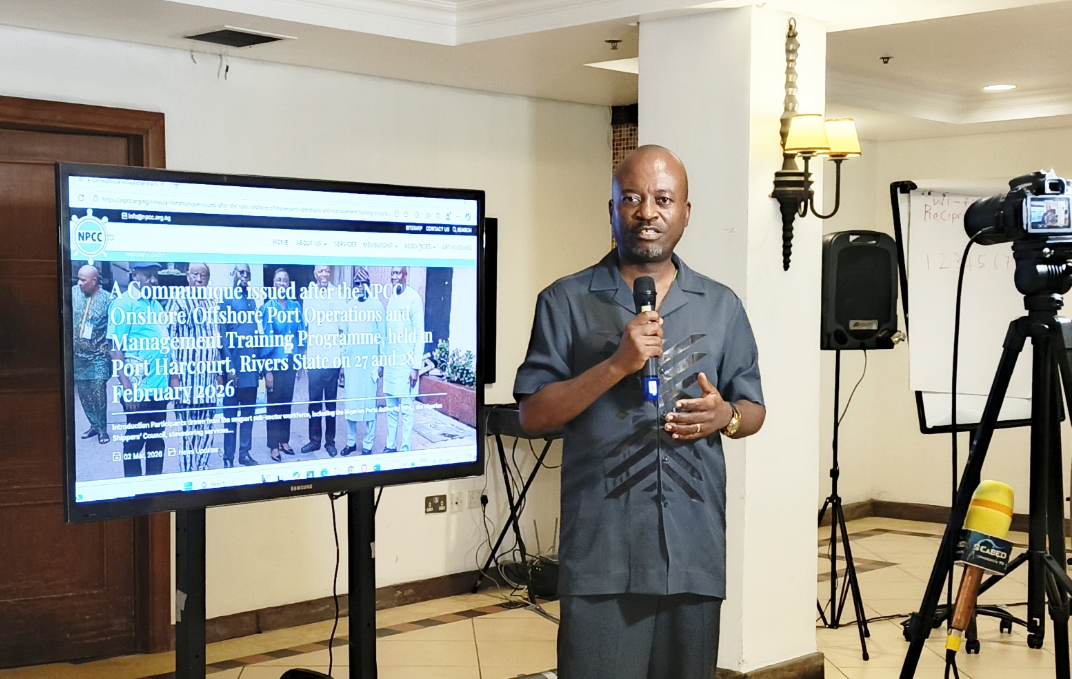
While highlighting that Nigeria’s non-oil exports grew by over 40 percent in 2025, Itegbe stressed the urgent need for value addition to boost the export of semi-finished and finished goods.
Against this backdrop, stakeholders at the NPCC meeting emphasised that stronger maritime security and efficient port operations are critical to supporting formal trade and sustaining export growth.
The meeting, which held at the Federal Palace Hotel, Victoria Island, brought together regulators, port operators, and shipping stakeholders to align on strategies to reduce delays, curb piracy risks, and improve vessel turnaround time in the Gulf of Guinea.
Speaking at the event, the Managing Director of Nigerian Railway Corporation (NRC), Mr. Kayode Opeifa, stressed the need for rail connection from seaports to hinterlands to enhance the ease of cargo evacuation from seaports and ensure ease of conveying exports from hinterlands.
Opeifa, who also launched the new NPCC branded lapel pins at the event, assured that the nation’s railway sector would continue to play a crucial role in improving the Nigerian logistics and maritime trade
While delivering a presentation for the Abuja Memorandum of Understanding (MoU) on Port State Control for West and Central Africa, the Head of Technical, Engr. Richard Owolabi highlighted the role of modern security frameworks in enhancing port efficiency.
Central to this framework is the International Ship and Port Facility Security Code, which mandates strict compliance by ships and port facilities to improve safety, reduce risks, and minimise operational delays.
The Abuja MoU inspection regime, which targets high-risk vessels, was also highlighted as a critical tool for enforcing international standards on safety, security, and environmental protection.
Stakeholders further underscored the importance of harmonised inspections across West and Central Africa to eliminate substandard vessels and strengthen regional maritime governance.
Nigeria’s progress in maritime security driven by collaboration with regional and international partners, enhanced surveillance, and stricter enforcement of onboard security protocols was also acknowledged.
In his welcome remarks, the Chairman of NPCC, Mr. Bolaji Sunmola, stressed the significance of the theme: “Offshore and Onshore Port Operations and Management,” even as he thanked the participants for gracing the occasion.