
Listen to story here
Nigeria wants its land borders to move cargo like Africa’s best, and it has taken the plan to the continent’s trade bank. Whether the money follows is still an open question.
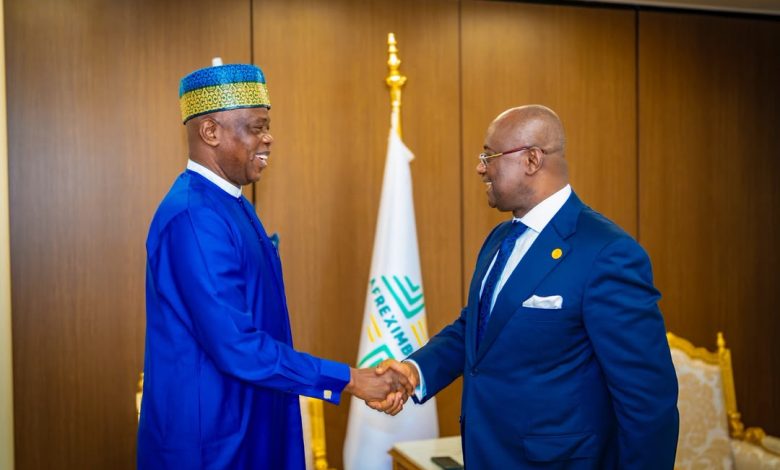
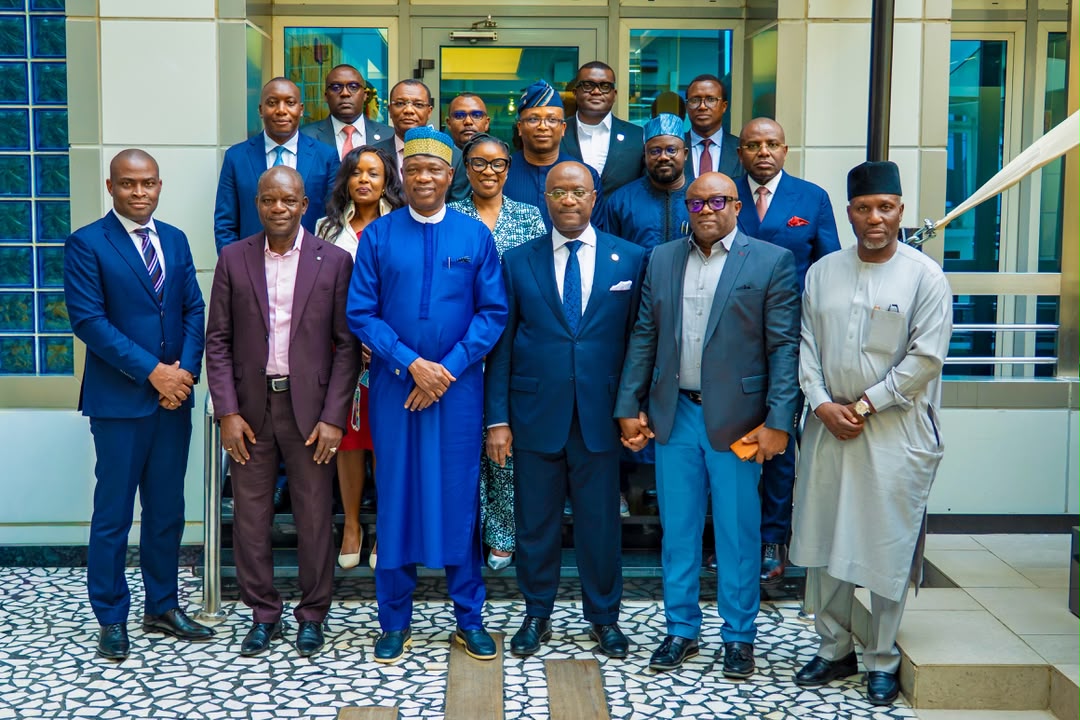 The Nigeria Customs Service (NCS), working with the Customs administrations of Benin and Cameroon, met Afreximbank at its Cairo headquarters on 12 October 2026 to advance a regional border-modernisation programme under the African Continental Free Trade Area (AfCFTA). The Comptroller-General of NCS, Bashir Adewale Adeniyi, MFR, led the engagement.


The talks drew on a July 2026 benchmarking mission to Zimbabwe’s Beitbridge Border Post and later assessments of the Mfum–Ekok and Sèmè–Kraké corridors. Beitbridge’s lesson is that a modern border is an integrated ecosystem of traffic segmentation, pre-arrival processing, risk-based controls, cargo scanning, transit monitoring, electronic payments and dependable utilities.

Nigeria’s corridors fall short of that standard. At Mfum–Ekok, the assessment found gaps in power supply, connectivity, IT equipment and cybersecurity, scanners awaiting commissioning and weak single-stop processing. At Sèmè–Kraké, it found incomplete joint procedures and live data exchange, non-functional scanning and weighing facilities, unreliable electricity, congestion, inconsistent operating hours and unsettled responsibility for maintaining shared infrastructure.
A centrepiece of the plan is the Customs Declaration Exchange System (CDES), which is designed to link Nigeria’s B’Odogwu platform with Benin’s Customs Webb and Cameroon’s CAMCIS on a common data model. Export data from one country would help prepare import-manifest information in the next, cutting duplication and making cross-border transactions more predictable.
Each receiving administration would still validate the data, apply national rules, assess risk and authorise clearance. Development and technical testing are done, but country-specific configuration, API integration, security assurance and pilot acceptance remain before deployment.
On financing, Afreximbank proposed two stages: independent engineering assessments and investment-cost studies at the two border posts, then separate bankable project packages for the Nigeria–Benin and Nigeria–Cameroon corridors.
These would cover transaction advisory, legal due diligence and financial modelling. The Bank also outlined possible use of its Project Preparation Facility. Technical partners TMP and Bergmans Security Consultants and Supplies Limited said they were willing in principle to consider self-financing the preparatory work.
The NCS National Public Relations Officer, Deputy Comptroller of Customs Abdullahi Maiwada, disclosed this information in a press statement on Sunday.
However, the statement was explicit that no final project cost, lending commitment, borrower designation, financing arrangement or implementation contract was established.
Participants did agree on site inspections, designated technical focal points, a one-, three- and six-month roadmap and a dated action matrix. The meeting also considered Afreximbank’s possible participation in the next Customs Partnership for African Cooperation in Trade (C-PACT) and progress on regional and continental transit-guarantee arrangements.
The Service says it will keep working with Benin, Cameroon, Afreximbank and technical partners to clarify project-preparation arrangements and deliver practical solutions that improve cargo visibility and coordinated border management.