Listen to story here
Limited access to funding and rising operational costs remain major threats to the growth and competitiveness of Nigeria’s shipping industry despite significant improvements in maritime security, maritime experts have lamented.
According to him, although efforts by government and industry stakeholders have helped improve safety and security within Nigeria’s maritime domain, operators continue to grapple with financial and operational challenges that hinder business growth and fleet expansion.


He also identified unemployment among Nigerian seafarers as a major concern, attributing the situation largely to limited indigenous shipping capacity and insufficient international recognition of Nigerian maritime certificates.
To address the challenge, Enisuoh called for more mutual certificate recognition agreements between Nigeria and leading maritime nations, noting that such arrangements would expand employment opportunities for Nigerian seafarers in the global shipping market.
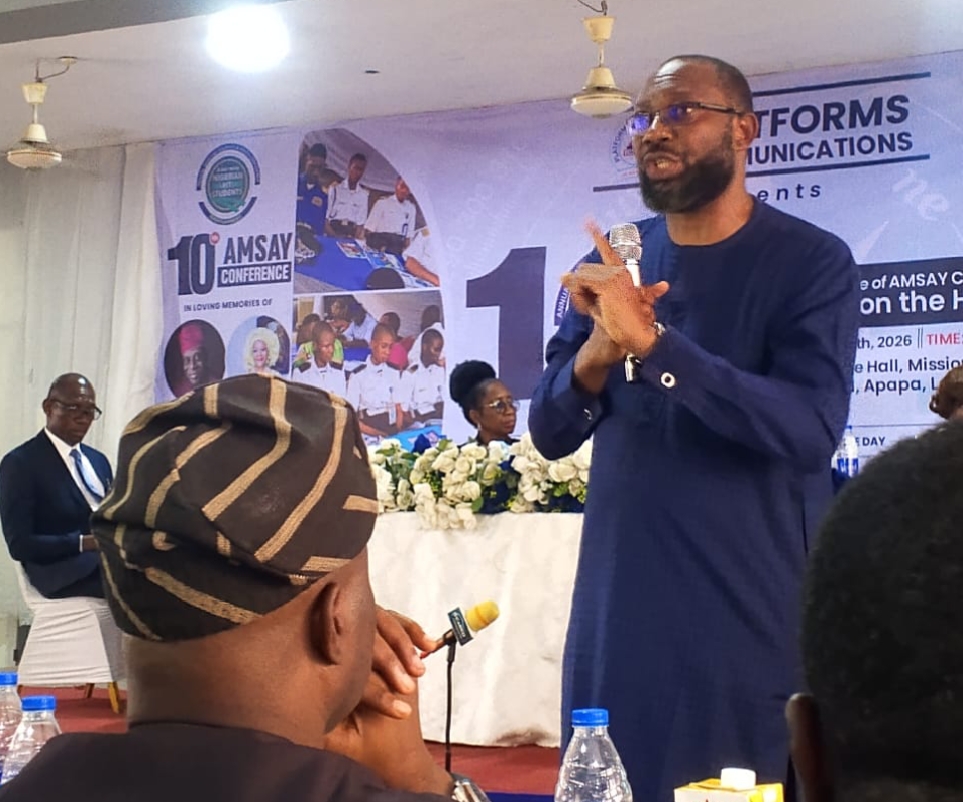
The maritime expert further highlighted recent gains recorded by the sector, particularly Nigeria’s return to the International Maritime Organization (IMO) Category C, describing the development as a significant achievement that reflects growing confidence in the country’s maritime administration.
“Recently, we returned to IMO Category C. The Minister did a very good job in achieving that. It is now left for seafarers to capitalize on it and give the nation the right support,” he said.
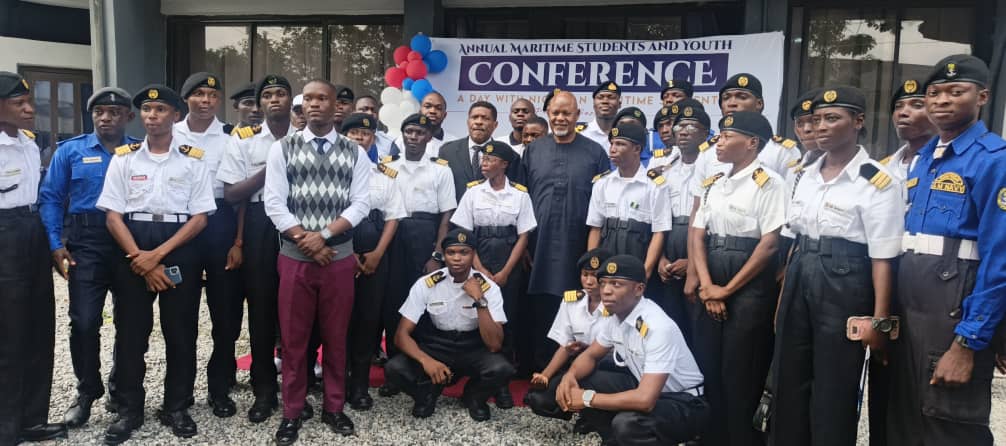
Enisuoh urged students and young professionals aspiring to build careers in the maritime industry to remain focused and deliberate in pursuing their goals.
“You have to have a vision. If you don’t have a vision, you have planned to fail. Always have a plan,” he advised.
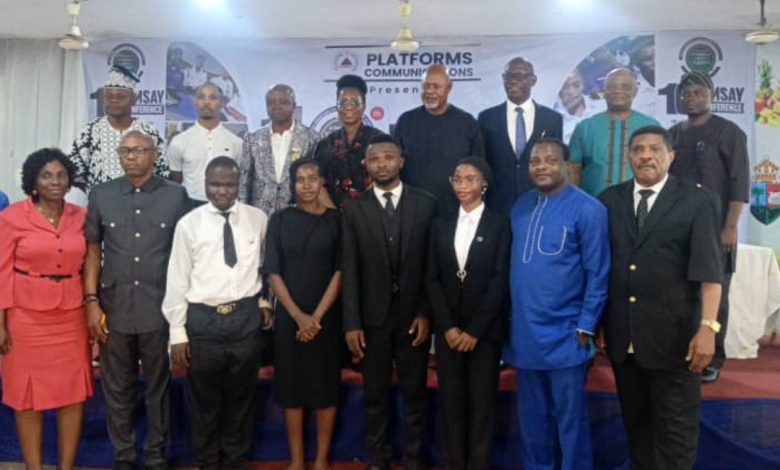
A major highlight of the conference was the presentation of posthumous awards to distinguished maritime personalities whose contributions left lasting impacts on the industry.
Otunba Kunle Folarin, a former Chairman of the Nigerian Ports Consultative Council (NPCC), received the Nigerian Maritime Encyclopedia Award, while a former Chairperson, Nigerian Shipowners Forum and CEO, Morbod Group, Barr. Mrs. Margaret Onyema-Orakwusi was honoured with the Maritime Jewel Award. A former Rector of the Maritime Academy of Nigeria (MAN), Engr. Olu Akinsoji received the Maritime Legend Award, while Hon. Dr. Chris Asoluka was recognised as the Maritime Most Profound Speaker.
Family members who received the awards on behalf of the deceased recipients described them as trailblazers whose legacies continue to inspire younger generations of maritime professionals.
Speaking earlier, Managing Director and Chief Executive Officer of Platforms Communications and Convener of the AMSAY Conference, Sylvanus Obasi, stressed the need for deliberate succession planning within the maritime industry.
Obasi said the conference was established in 2014 to bridge the gap between students and industry practitioners through mentorship, advocacy and leadership development.
He warned that many of today’s maritime leaders would eventually retire, making it imperative for stakeholders to nurture a new generation capable of sustaining the industry’s growth.
“The future Directors-General of NIMASA, Managing Directors of the Nigerian Ports Authority and leaders of maritime organisations are among the students seated here today,” he said.
He called on government agencies, maritime institutions and private sector operators to invest more in mentorship and talent development to secure the future of Nigeria’s maritime industry.