Listen to story here
The Group Executive Chairman of SIFAX Group, Dr. Taiwo Afolabi, has challenged young Nigerians to prepare themselves to drive the country’s maritime transformation, stressing that Nigeria’s aspiration to become Africa’s blue economy powerhouse depends on raising a new generation of skilled, innovative and well-mentored professionals.
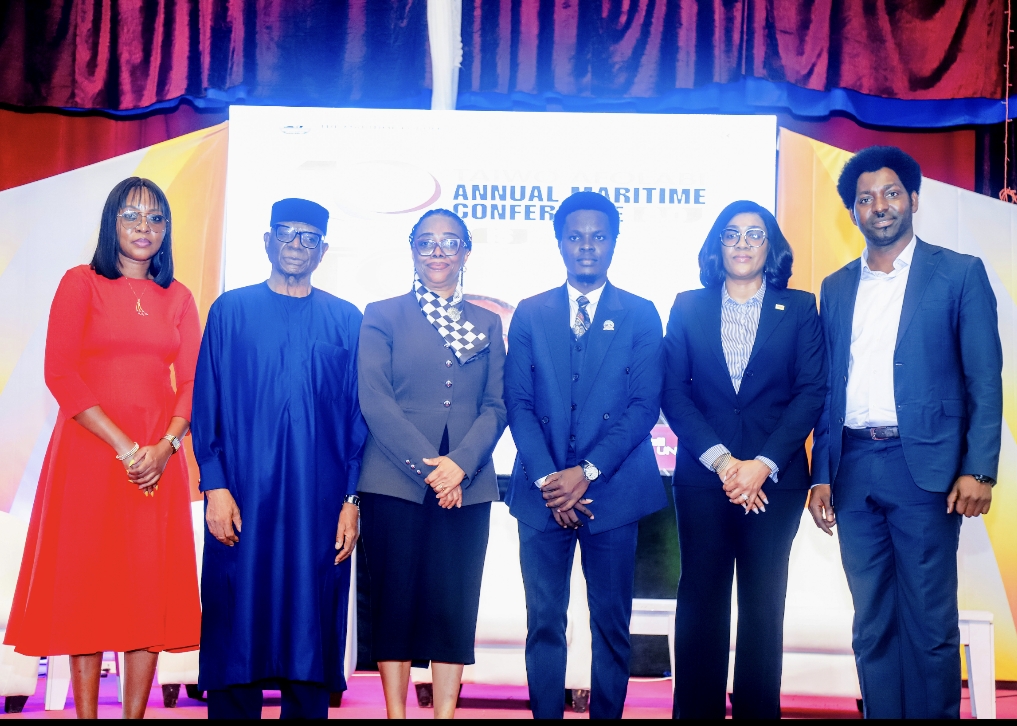
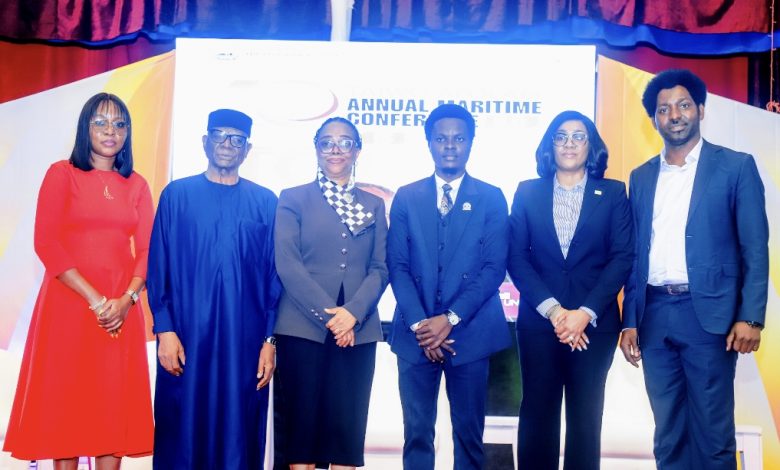
The event attracted over 2,000 participants from government, academia, the maritime industry and the private sector as it celebrated a decade of one of Africa’s foremost student-led maritime platforms.


Speaking on the theme, “Ten Tides of Impact: Raising a Generation to Position Nigeria as Africa’s Blue Giant,” Afolabi said Nigeria’s maritime future would be determined not only by its vast natural resources but also by deliberate investment in human capital.
“For years, we described Nigeria’s blue economy as a sleeping giant. This year’s theme says something bolder. It says the giant is meant to rise, and that the generation to raise it is sitting in this hall,” he said, urging students to embrace mentorship, ask difficult questions and prepare themselves for leadership in the sector.
The Director General of the Nigerian Chamber of Shipping, Mrs. Vivian Chimezie-Azubuike, also underscored the importance of a home-grown strategy for the Marine and Blue Economy, urging Nigeria to build policies around its comparative advantages rather than copying models from other countries.
She commended ongoing reforms by the Federal Ministry of Marine and Blue Economy and its agencies, adding that continuity of policies and projects beyond the current administration would guarantee long-term sustainability.
Delivering the keynote address on behalf of the Director General of the Nigerian Maritime Administration and Safety Agency (NIMASA), Dr. Dayo Mobereola, the Agency’s Executive Director, Finance and Administration, Mr. Chudi Offodile, said the Federal Government is placing young people at the centre of its blue economy agenda through investments in maritime education, seafarer development, vessel financing, innovation and maritime security.
He noted that initiatives including the Nigerian Seafarers Development Programme, the Cabotage Vessel Financing Fund and the Blue Economy Accelerator Initiative are creating pathways for young Nigerians to build careers, own vessels, develop maritime technologies and contribute to national economic growth.
Speaking during a panel session, the Chief Operating Officer of Fleet Fence Limited, Mrs. Esther Oibo Egwe, said Nigeria must bridge the gap between graduation and employment readiness by equipping young people with the right skills and opportunities.
She identified Exposure, Education, Experience, Enterprise and Executive Leadership as the five critical pillars required to develop the next generation of maritime leaders, stressing that technical knowledge alone is no longer sufficient in today’s evolving industry.
Egwe also urged industry leaders to look beyond investments in ships, ports and hydrography by placing greater emphasis on human capital development. She advocated for the inclusion of young professionals in the conceptualisation and implementation of maritime policies, arguing that sustainable growth in the sector depends on empowering future leaders.
The anniversary conference also featured policy dialogues, panel discussions and the Blueprint Debate Competition, a flagship initiative that has evolved into a nationally recognised platform for university students to debate maritime, governance and public policy issues.