
Listen to story here
BUA Group is investing $85 million to expand its Port Harcourt terminal as it positions the Rivers facility to handle over two million tonnes of imported raw materials annually, a move expected to boost cargo throughput, strengthen Nigeria’s eastern ports and support the company’s manufacturing growth.
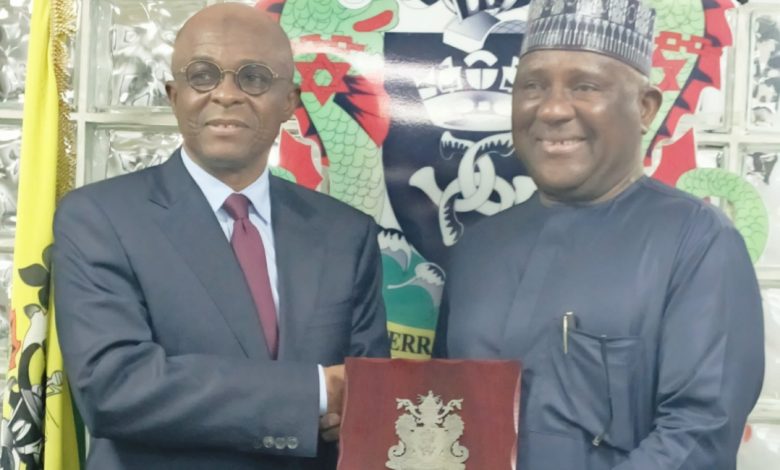
The investment, unveiled by BUA Group Chairman, Abdul Samad Rabiu, during a visit to the Managing Director of the Nigerian Ports Authority (NPA), Abubakar Dantsoho, will add about 600 metres of quay frontage, significantly increasing the terminal’s capacity to receive larger vessels and support BUA’s expanding operations in food processing, cement, mining and infrastructure.


Rabiu said the project, expected to be completed next year, forms part of the company’s long-term logistics strategy as imports of raw materials for its sugar, flour, pasta, noodles and edible oil businesses continue to rise.

“By the time we complete the expansion next year, we expect to import over two million tonnes of raw materials through Port Harcourt annually. To achieve that, we need a modern terminal and efficient facilities,” he said.
He noted that the projected cargo volumes would translate into about six to seven vessels calling at the port monthly, underscoring the need for efficient maritime infrastructure to support industrial production and supply chains.
Rabiu described the expansion as part of BUA’s broader investment programme, stressing that improved port infrastructure—particularly outside Lagos—is critical to Nigeria’s industrialisation and economic competitiveness.
He commended the NPA for supporting private-sector investment, recalling that the Port Harcourt terminal concession had previously been revoked before the current management facilitated its revival and expansion.
Responding, NPA Managing Director Abubakar Dantsoho said the authority would continue to support investments that increase cargo volumes, improve utilisation of eastern ports and strengthen Nigeria’s competitiveness as a regional maritime hub.
He noted that BUA’s expansion into Port Harcourt complements its existing investments in Lagos and aligns with the Federal Government’s strategy to decongest western ports while unlocking the commercial potential of eastern port infrastructure.
According to Dantsoho, higher cargo throughput at Port Harcourt will stimulate import and export activities, create greater economic value and increase revenue across the maritime value chain.
He added that the investment supports the NPA’s drive to develop smarter and more efficient ports through stronger collaboration with private investors.
Dantsoho also referenced recent improvements in global port performance rankings, noting that ongoing reforms are enhancing the competitiveness of Nigerian ports.
The $85 million project is expected to strengthen BUA’s logistics network while supporting the Federal Government’s efforts to increase cargo traffic through eastern ports and diversify Nigeria’s port operations beyond Lagos. Upon completion, the expanded facility will rank among the most significant private-sector investments in eastern port infrastructure, reinforcing Port Harcourt’s role in the country’s maritime logistics chain.