Listen to story here
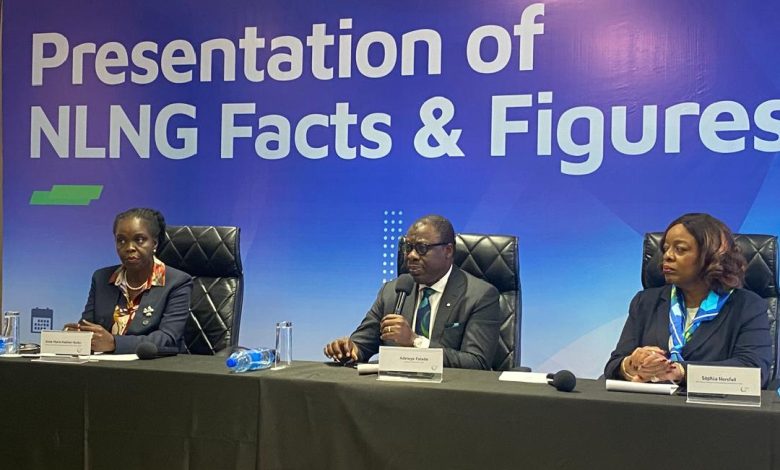
NLNG has reaffirmed its long-term growth strategy, unveiling plans to increase production capacity by 35 per cent through its Train 7 Project while strengthening domestic gas supply, advancing sustainability initiatives and supporting Nigeria’s energy security agenda.
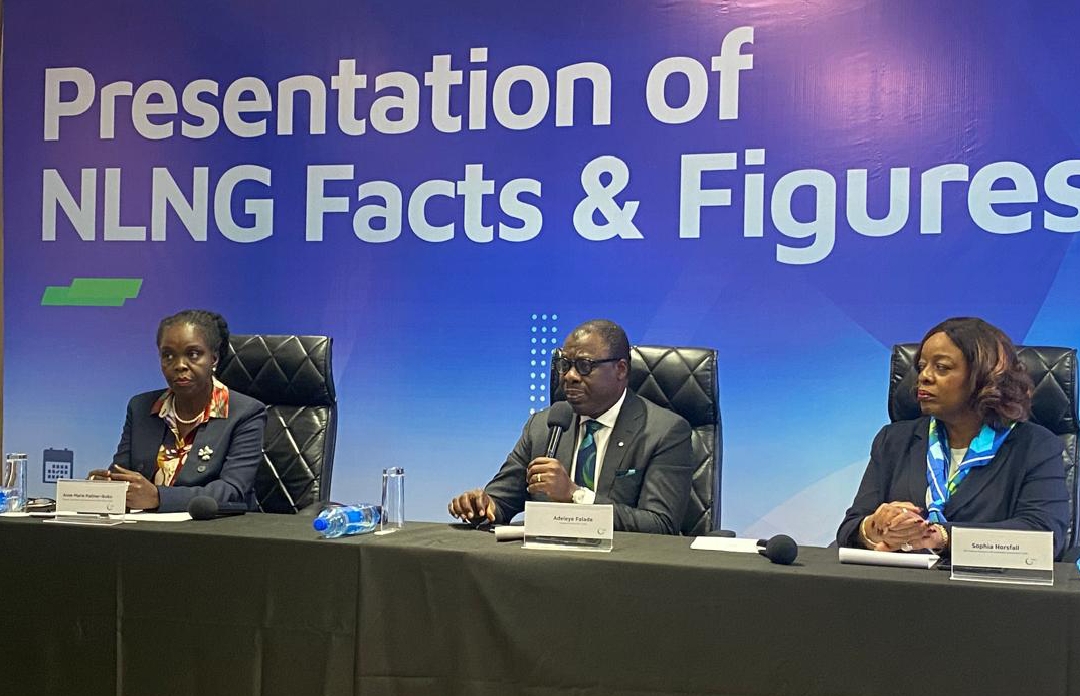
Falade disclosed that the Train 7 Project, one of Africa’s largest LNG expansion projects, will raise the company’s production capacity from 22 million tonnes per annum (MTPA) to 30 MTPA. The project is also expected to increase Liquefied Petroleum Gas (LPG) production by about 50 per cent, adding an estimated 250,000 tonnes annually to the domestic market.

According to him, the expansion underscores NLNG’s confidence in Nigeria’s vast gas reserves and its commitment to supporting industrialisation, economic diversification and long-term energy security.
“Train 7 represents more than additional production capacity. It is an investment in Nigeria’s future, creating jobs, strengthening competitiveness and unlocking greater value from the country’s gas resources,” he said.
The NLNG boss noted that operational performance has improved significantly, with plant utilisation recovering steadily as the company pursues world-class efficiency while ensuring the safe delivery of Train 7.
Highlighting the company’s economic impact since commencing operations, Falade said NLNG has generated more than US$149.6 billion in revenue, paid over US$47.2 billion in dividends to shareholders and remitted more than US$10.8 billion in taxes to the Federal Government since becoming tax compliant.
He added that the company has built an asset base exceeding US$22.9 billion, exported more than 6,285 LNG cargoes and continues to supply over 500,000 tonnes of LPG annually to the Nigerian market.
Falade reaffirmed NLNG’s support for the Federal Government’s Decade of Gas initiative, describing natural gas as a critical driver of industrialisation, energy security and Nigeria’s transition to a lower-carbon economy.
On sustainability, he said the company continues to invest in emissions monitoring and reduction, biodiversity conservation, including the protection of the Finima Nature Park, and carbon capture and storage initiatives in collaboration with regulators.
He also cited the Bonny-Bodo Road Project as one of Nigeria’s largest corporate infrastructure investments, noting that it has provided the first road link between Bonny Island and mainland Rivers State while opening new economic opportunities for surrounding communities.
While acknowledging feedgas availability as a key industry challenge, Falade expressed optimism that ongoing reforms and stronger collaboration among government, regulators and upstream operators would improve long-term gas supply.
He maintained that despite increasing competition from emerging LNG producers, NLNG remains competitive through operational reliability, disciplined execution and continuous investment in its workforce and assets.
Earlier, the General Manager, External Relations and Sustainable Development, Sophia Horsfall, said the annual media engagement demonstrates NLNG’s commitment to transparency and constructive engagement with journalists by providing credible information and deeper insight into the company’s operations and the strategic role of natural gas in Nigeria’s economic development.