
Listen to story here
The Federal Government has reaffirmed its commitment to a more balanced distribution of maritime infrastructure across Nigeria’s port corridors, saying coordinated investment in Lagos and the Eastern ports is critical to reducing logistics pressure, attracting cargo and strengthening the country’s position as a regional maritime hub.
Minister of Marine and Blue Economy, Chief Adegboyega Oyetola, stated this at the 2026 Annual General Meeting and Conference of the League of Maritime Editors in Lagos, where stakeholders examined the persistent disparity in cargo volumes and vessel calls between Lagos and the Eastern ports.
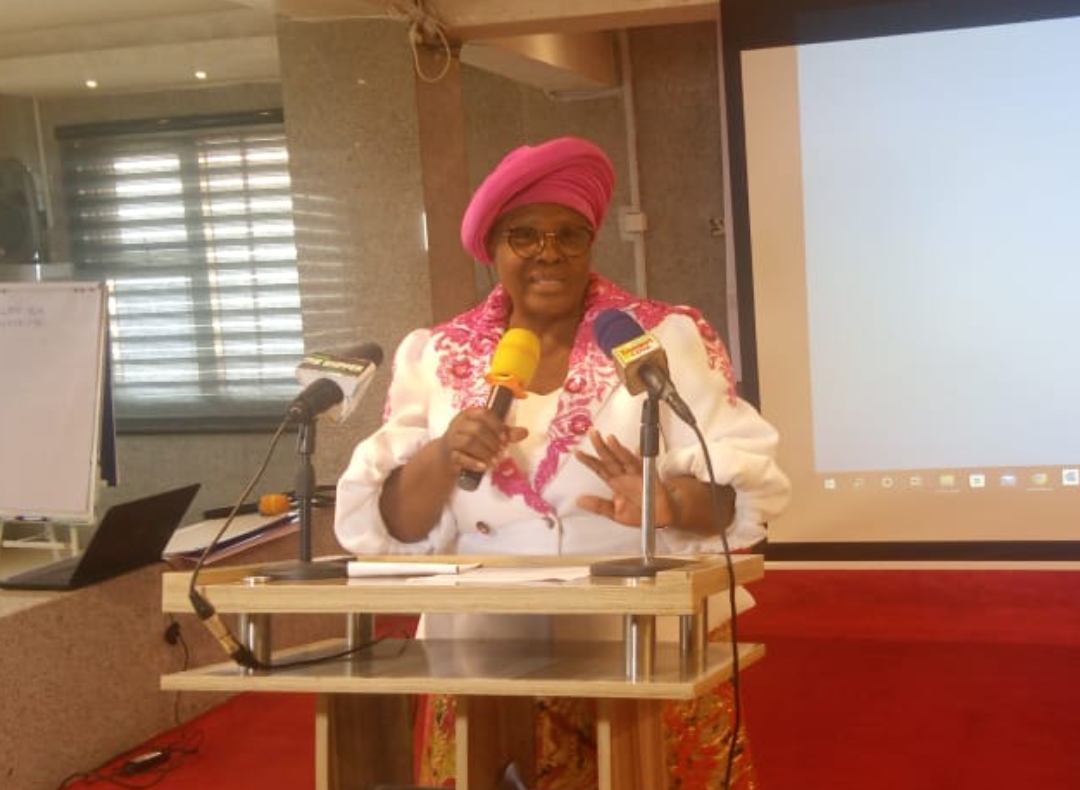
Oyetola was represented at the conference by the Director of Press, Ministry of Marine and Blue Economy, Mrs Anastasia Ogbonna, speaking on the theme, “Lagos/Eastern Ports: How to Reverse Existing Imbalance in Disproportionate Cargo Vessel Calls.”
At the summit which brought together regulators, port operators, and industry experts, Oyetola acknowledged that the concentration of cargo around Lagos has created congestion, delays, higher logistics costs, demurrage and pressure on connecting roads.
He, however, said continued investment in Lagos should not be interpreted as neglect of the Eastern ports. “We are not developing Lagos at the expense of the East,” the minister said.
According to him, Lagos remains Nigeria’s busiest maritime gateway and requires investment to address immediate pressure on the national supply chain, while government is simultaneously working to strengthen Eastern ports and expand their capacity to handle more national maritime traffic.
He identified inadequate infrastructure, draft limitations, navigational constraints, security concerns, weak hinterland connections, equipment shortages and high operating costs as major factors undermining Eastern ports.
Oyetola maintained that ports including Onne, Port Harcourt, Warri and Calabar could play a greater role in supporting industries, exports and economic activities across the South-East and South-South if these constraints are addressed.
He stressed that infrastructure alone would not redistribute cargo, noting that shipping lines make commercial decisions based on draft, berth availability, cargo volumes, turnaround time, security, tariffs, connectivity and operational predictability.
He said government’s strategy therefore combines infrastructure development with security improvements, digitalisation, commercial incentives, improved connectivity and stronger private-sector participation.
Oyetola also identified the National Single Window and Port Community System as key reforms for simplifying cargo processes and improving transparency, while stressing that better road, rail, inland-waterway and barge connections would be crucial to unlocking the potential of the Eastern ports.
Earlier, the President of the League of Maritime Editors, Mrs Remi Itie, said Nigeria must move beyond excessive dependence on one maritime corridor if it is to fully harness its blue economy.
She called for deliberate investment in Eastern ports and coastal infrastructure, arguing that stronger maritime gateways would stimulate economic activity across the South-East, South-South and other coastal communities.
Chairman of the occasion, Captain Iheanacho Ebubeogu, said port development must be driven by efficiency, reliable infrastructure, competitive costs, security and effective hinterland connections.
He urged stakeholders to focus on contestable cargo that can move between ports based on cost and service quality as a major opportunity for Eastern ports to expand their market share.
Stakeholders agreed that Nigeria’s maritime strategy should focus on developing interconnected port corridors rather than concentrating infrastructure and economic opportunities in one gateway.
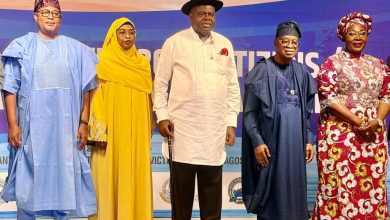
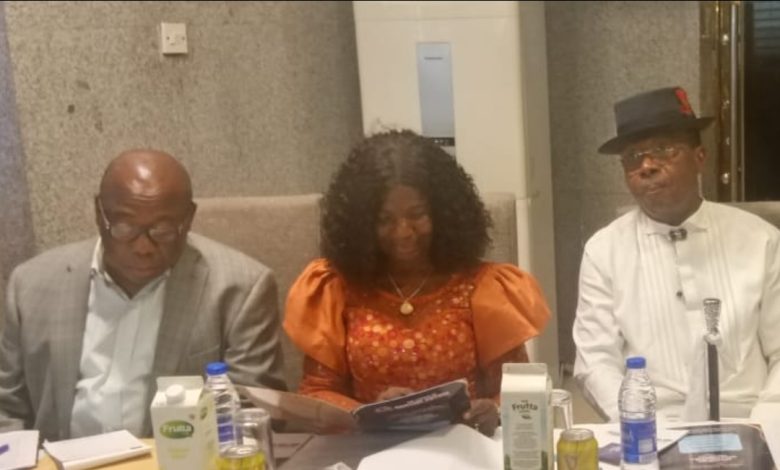
Some of the maritime bigwigs at the event include; the Managing Director of the Nigerian Ports Authority (NPA), Dr. Abubakar Dantsoho represented by the General Manager, Corporate and Strategic Planning, Mr. Seyi Iyawe; Director General of Nigerian Ports Economic Regulatory Agency (NPERA), Dr. Pius Akutah MON, represented by the Deputy Director, Trade Services, Adaora Nwonu; the events Co-Chairman, Assistant Comptroller-General of Customs, ACG Charles Edike (Rtd); President of National Council of Managing Directors of Licensed Customs Agents (NCMDLCA), Mr. Lucky Amiwero; Acting Rector, Maritime Academy of Nigeria (MAN); Dr. Kevin Okonna; represented by the Head of Department, Quality Assurance, Department, Dr. Lawal Hakeem; among others who explored diverse approaches to attract private investment, improve cargo distribution and strengthen Nigeria’s capacity to compete as a major maritime and logistics hub in West Africa.