
Listen to story here
Nigeria’s maritime industry is struggling to translate decades of policies, regulatory reforms and international commitments into measurable commercial gains, with industry stakeholders warning that the country risks remaining a spectator in a global shipping business its cargoes help sustain.
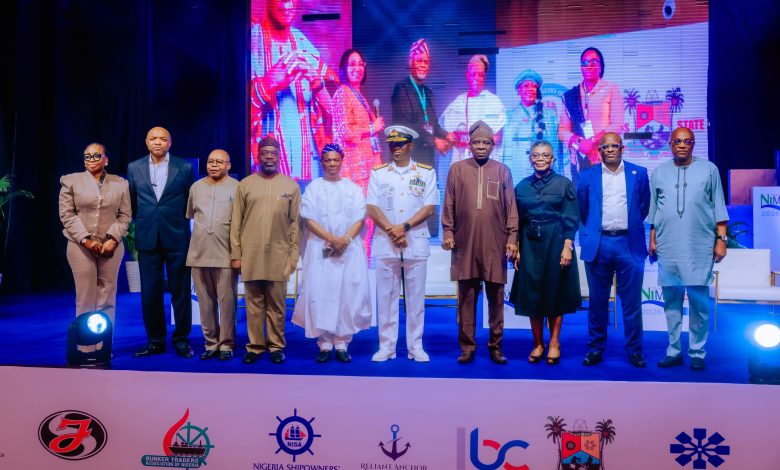
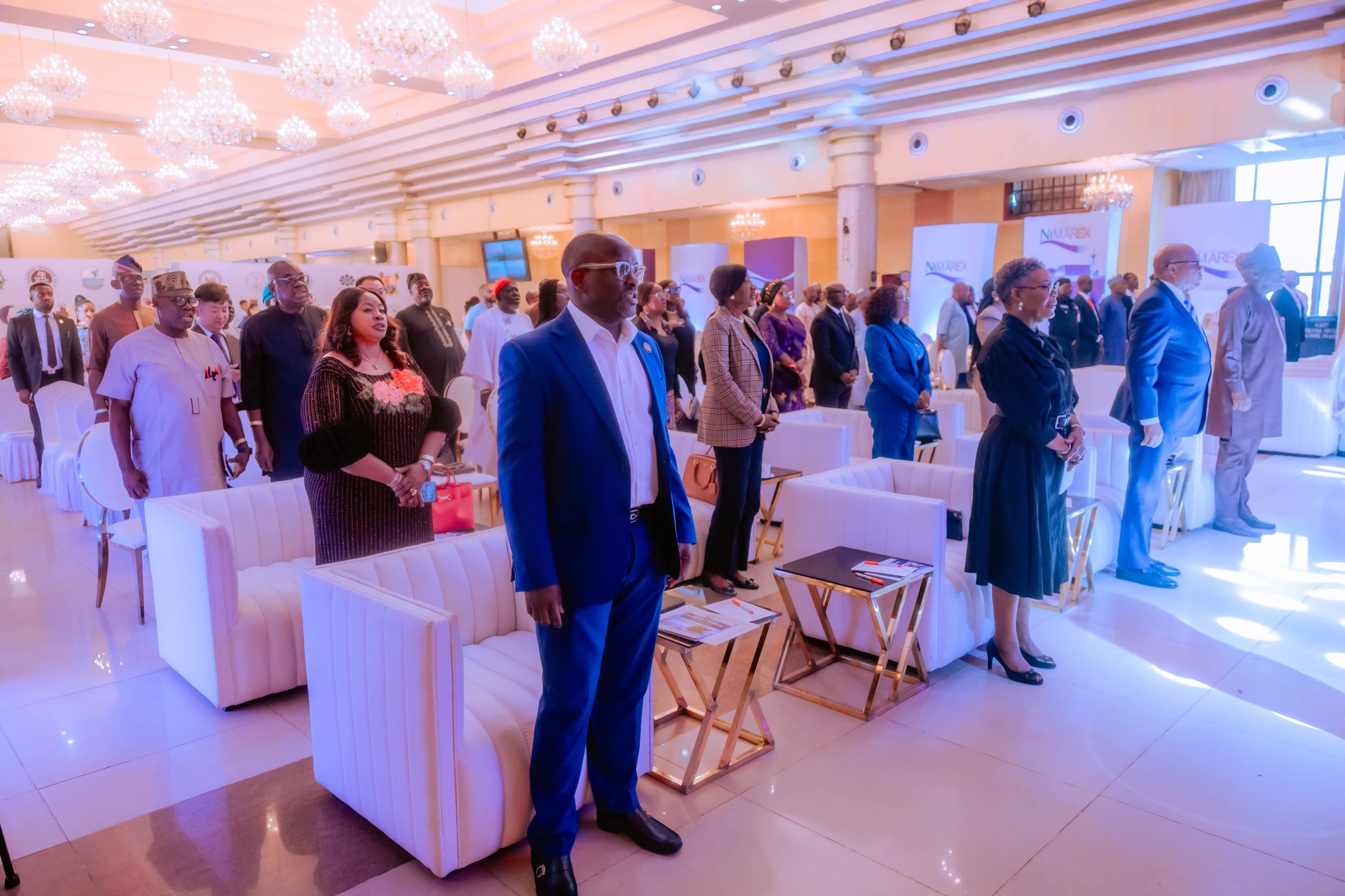
The concern dominated discussions at the 2026 Nigeria Maritime Expo (NIMAREX), where stakeholders challenged the Federal Government to move beyond policy pronouncements and demonstrate tangible results in indigenous shipping capacity, vessel ownership, port efficiency and investment.

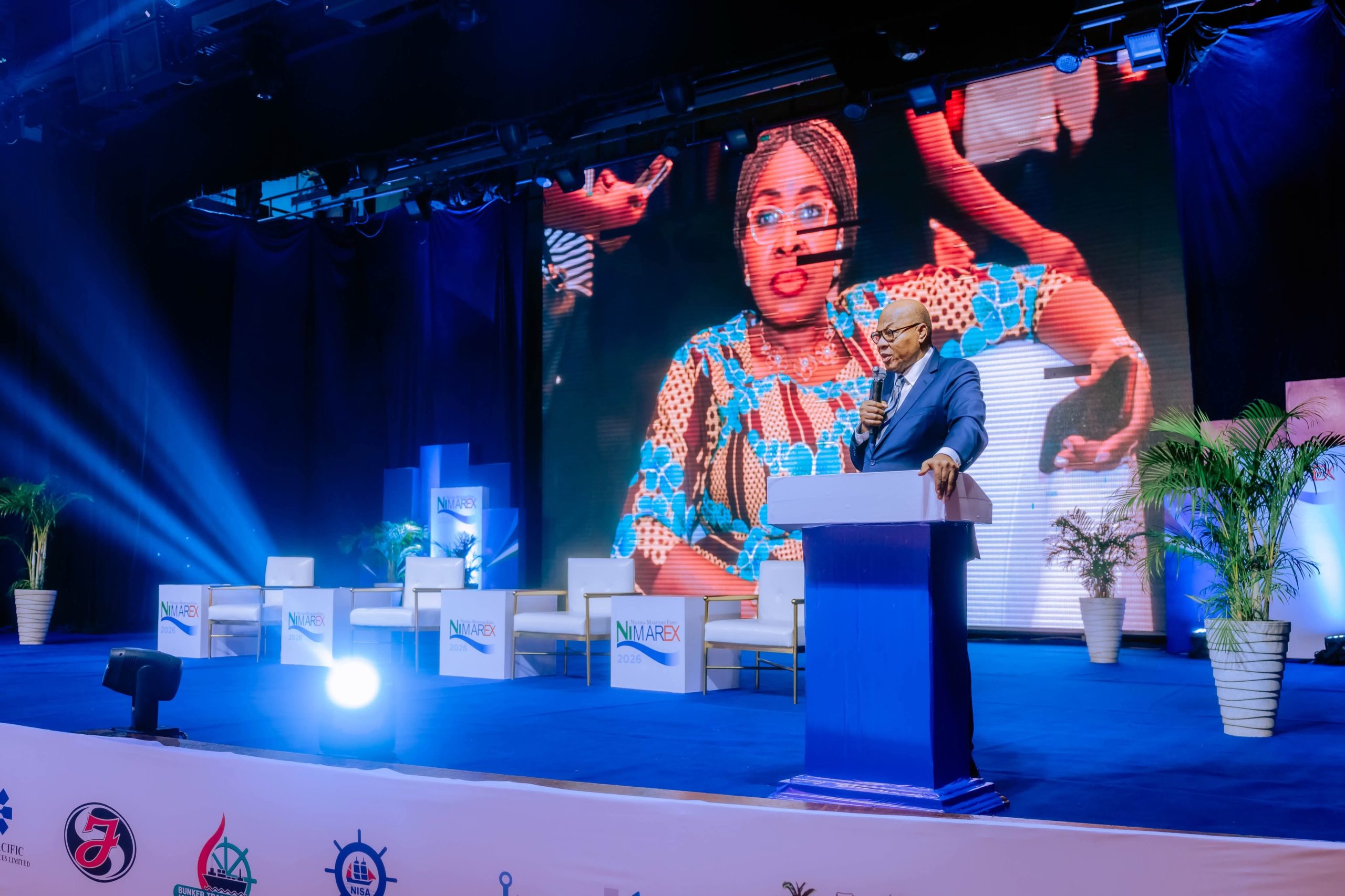
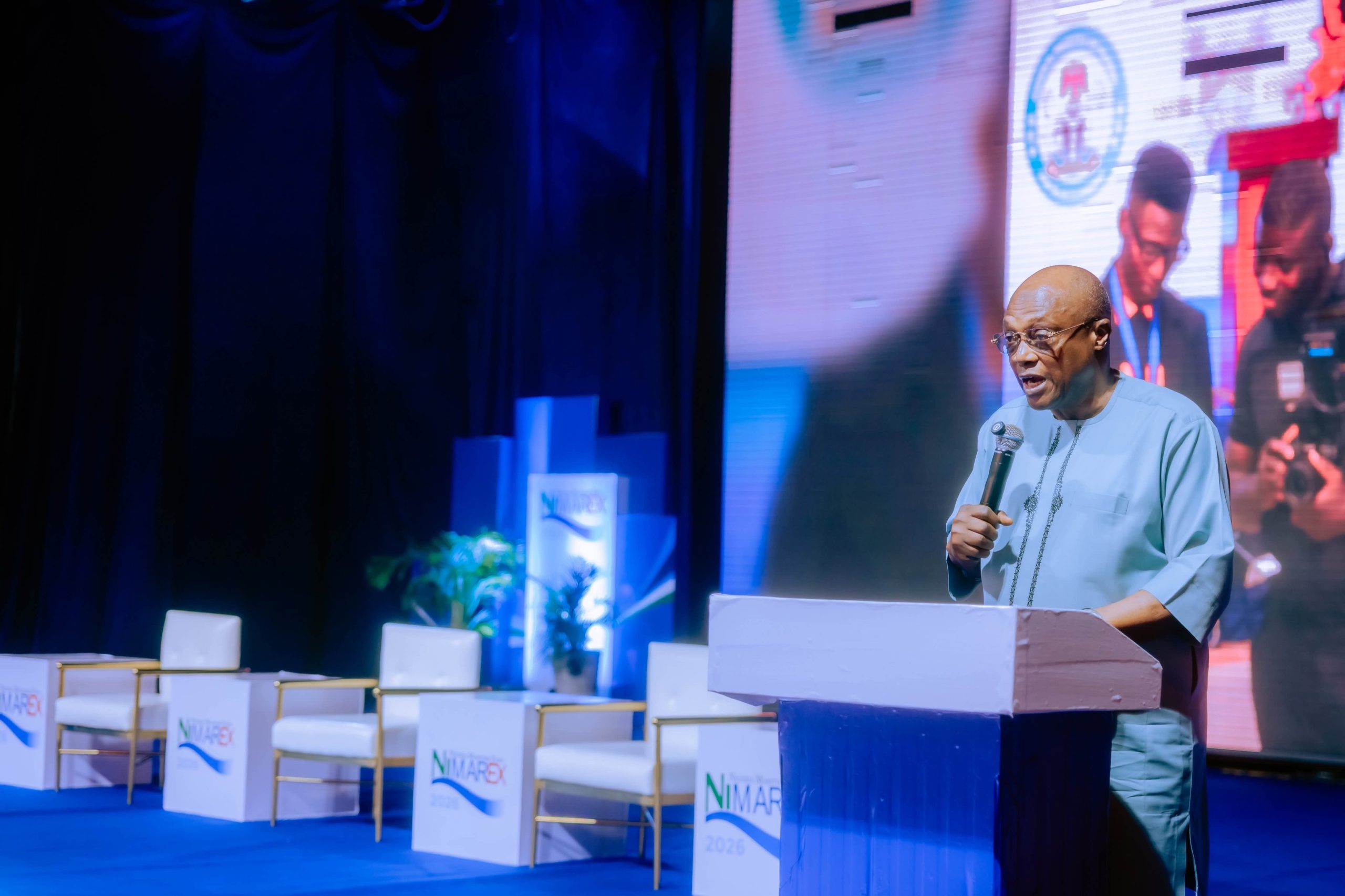
Former President of the Nigerian Bar Association and Chairman of the occasion, Dr Olisa Agbakoba, SAN, delivered one of the strongest criticisms, questioning the benefits of Nigeria’s membership of the International Maritime Organisation (IMO), arguing that international recognition and participation mean little without the domestic capacity to take advantage of opportunities in global shipping.
Agbakoba, Founding Partner of Olisa Agbakoba Legal (OAL), challenged the government and operators to explain why it was difficult to find indigenous operators who had five ocean-going vessels, despite the country’s longstanding ambition to develop a national fleet.
According to him, the problem is not the absence of maritime policies but the failure to create an enabling environment where cargo availability, affordable financing, regulatory support and private investment combine to sustain Nigerian-owned shipping businesses.
The Learned Silk cited the reported requirement of Dangote’s business for about 1,000 vessels annually, questioning why Nigeria continues to struggle to provide the ships needed to move its own cargoes.
Agbakoba argued that the private sector, rather than government-driven initiatives, should take the lead in NIMAREX and the broader development of the maritime industry, given its capacity to mobilise investment and deliver commercial outcomes.
He also criticised Nigeria’s continued dependence on global systems that, in his assessment, establish rules and barriers that disadvantage African economies.
Agbakoba maintained that Nigeria cannot achieve meaningful industrialisation or maximise the export potential of emerging commodities such as lithium and other minerals without developing the shipping capacity to transport its trade.
Earlier, the Planning Committee Chairman, Otunba Sola Adewumi, had called for urgent government intervention to revive indigenous shipping, stressing the need for effective implementation of the Coastal and Inland Shipping (Cabotage) Act and the Cabotage Vessel Financing Fund (CVFF).
He urged the government to move beyond existing policy frameworks and introduce practical measures that encourage local ship ownership, attract investment and create employment opportunities across the maritime value chain.
Delivering the keynote address, former President of the Nigerian Maritime Law Association (NMLA), Mrs Funke Agbor, SAN, highlighted the imbalance between Africa’s contribution to global maritime trade and its limited participation in shipping ownership and control.
She noted that Nigeria generates an estimated 70 percent of cargo moving through West and Central Africa but remains underrepresented in the ownership and control of the shipping value chain.
Agbor put Africa’s total trade in 2025 at $4.4 trillion, observing that only about 18 percent of the continent’s trade occurred among African countries, compared with approximately 60 percent or more recorded within Europe and Asia.
She disclosed that Nigerian ports handled about 129 million tonnes of cargo in 2025, with container traffic exceeding two million twenty-foot equivalent units (TEUs).
While acknowledging improvements in maritime security through the Deep Blue Project, she maintained that Nigeria must address persistent operational inefficiencies, high transaction costs and delays if its ports are to compete effectively for regional cargo.
Responding to the concerns, the Minister of Marine and Blue Economy, Dr Adegboyega Oyetola, represented by the Executive Director, Operations, Nigerian Maritime Administration and Safety Agency (NIMASA), Engr. Taiye Fatai Adeyemi, assured stakeholders that the Federal Government would move beyond repeated commitments and ensure that expectations raised at the expo translate into implementation.
Speaking on the theme, “Strengthening Strategic Partnership for a Globally Competitive Blue Economy,” the minister said reforms were beginning to produce results, citing revenue growth among agencies under the ministry from approximately N700 billion in 2025 to more than N1.8 trillion.
He equally attributed the increase to stronger regulatory enforcement, improved revenue collection mechanisms and digitisation.
The Minister also pointed to Nigeria’s improving port performance, noting that Tin Can Island Port and Lagos Port Complex, Apapa, featured among the world’s 20 most improved container ports in the 2025 Container Port Performance Index published by the World Bank.
He, however, acknowledged that developing a globally competitive blue economy would require collaboration between government agencies, private investors and financial institutions.
He also identified proposed deep-seaport developments in Akwa Ibom, Cross River and Rivers states as important opportunities requiring broader capital mobilisation.
With more than 90 percent of Nigeria’s international trade transported by sea, he said the country’s ports must evolve beyond serving domestic cargo requirements to become strategic logistics hubs for West Africa and the wider African continent.
Representing Lagos State Governor, Babajide Sanwo-Olu, the Special Adviser on Blue Economy, Mr. Oluwadamilola Emmanuel, said infrastructure development, transport productivity and logistics efficiency remained critical to the state’s economic competitiveness.
He identified Lekki Deep Sea Port as a major addition to Nigeria’s maritime capacity, noting that the surrounding Lekki Free Zone was creating opportunities for manufacturing, logistics and industrial development.
Emmanuel said the state government’s investment in the six-year construction of the Eleko-Epe section of the Lekki-Epe Expressway was intended to support the expanding economic corridor.
He acknowledged persistent challenges around the older Apapa and Tin Can Island ports, assuring that Lagos State would continue collaborating with the Nigerian Ports Authority (NPA) and other agencies to improve cargo evacuation and traffic management.
He also identified the proposed Badagry Deep Sea Port as an opportunity to expand Nigeria’s port capacity and strengthen trade along the West African corridor.
On inland waterways transportation, Emmanuel disclosed that Lagos State had secured $410 million for the Omi Eko project, which is expected to introduce more than 75 electric ferries, dredge 140 kilometres of waterways and develop between 15 and 25 jetties.
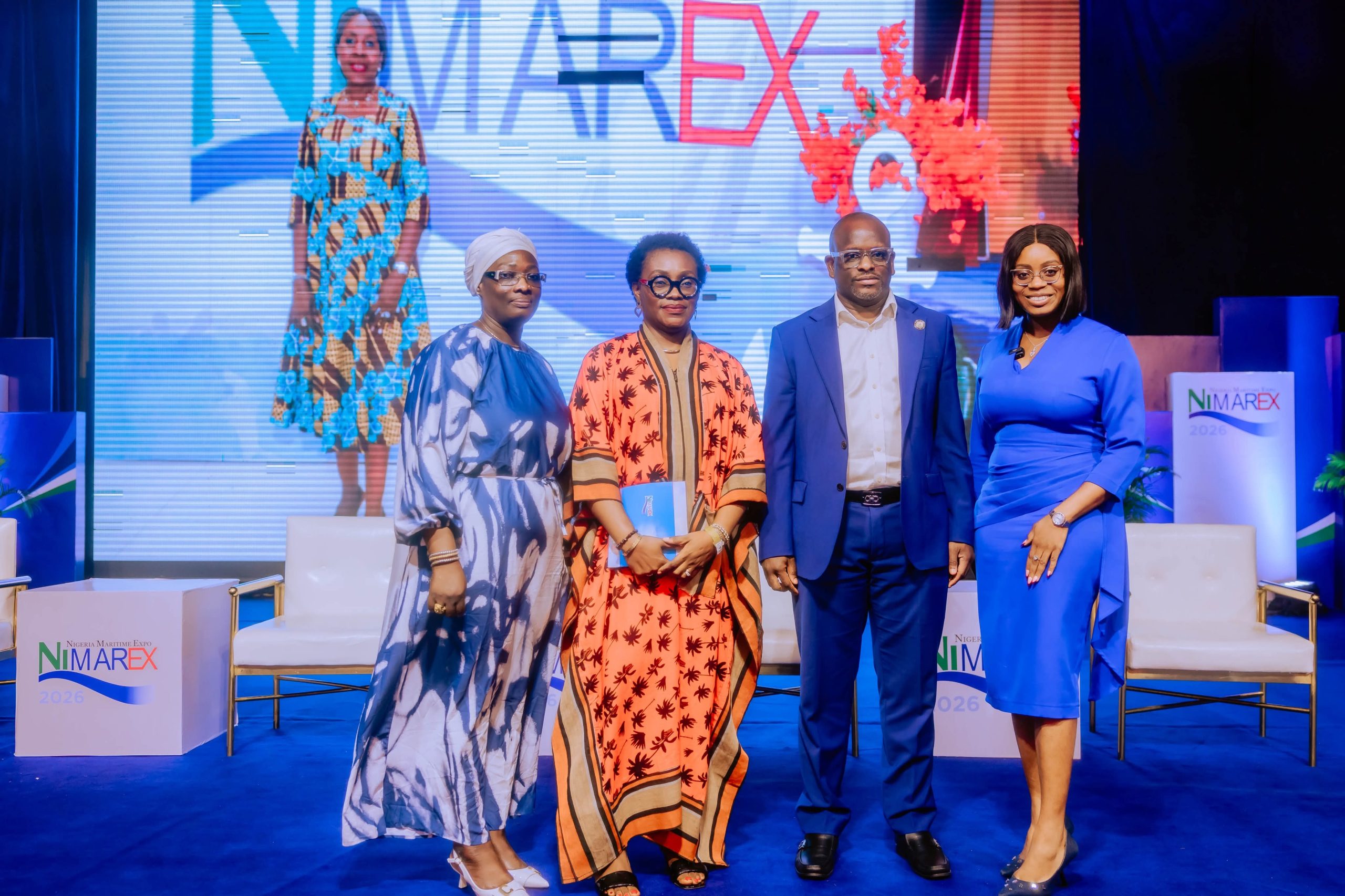
Meanwhile, President of the WIMA Nigeria, Mrs. Theodora Nwaeze, called for a more inclusive approach to developing the blue economy.
She described the sector as an interconnected ecosystem encompassing maritime transportation, ports, fisheries, aquaculture, marine tourism, logistics, technology, environmental sustainability and finance.
Nwaeze stressed the importance of expanding opportunities for women and young professionals, particularly in leadership and decision-making positions across the maritime industry.
Ultimately, the discussions at NIMAREX 2026 exposed a familiar contradiction in Nigeria’s maritime development: the country has accumulated policies, established institutions, secured international recognition and announced ambitious infrastructure investments, yet indigenous operators continue to struggle with the fundamental requirements for competing in the industry.
For stakeholders, the next measure of progress must go beyond revenue figures, improved port rankings and international commitments to whether Nigerian businesses can access financing, own vessels, move the country’s cargoes and retain a greater share of the economic value generated by maritime trade.


