Seme Border: How Police, Customs, Immigration Illegal Checkpoints Choke Nigeria’s Trade


Listen to story here
Last week, on a humid Thursday evening, between 5:40 pm and 6:30 pm, the drive from Seme Customs Command toward Lagos should have been uneventful. Instead, it became a sobering audit of Nigeria’s border inefficiencies. Along that short stretch of road, News Diet correspondent counted 16 illegal checkpoints – 9 police checkpoints, 1 army post, 2 customs points manned by “camp boys,” and 3 immigration checkpoints – all before Gbaji, the officially recognised ECOWAS checkpoint. Meanwhile, just after Gbaji, another illegal customs post stood defiantly. In less than an hour, Nigeria’s most important trade corridor had morphed into a gauntlet of extortion, delay, and distrust.
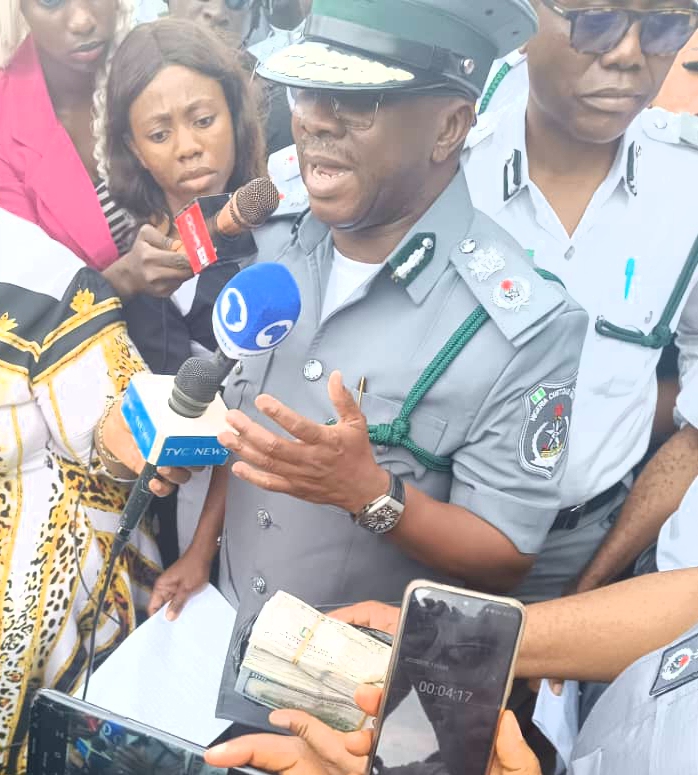
This assignment was inspired by the new Customs Area Controller, Seme Border Command, Comptroller Wale Adenuga, who held his maiden press briefing earlier that Thursday and charged the press to name and shame the agencies disrupting trade on the border corridor.

After reeling out his major accomplishments including a major boost to Nigeria’s non-oil export as the Seme Area Command facilitated the export of goods totalling 53,989.46 metric tonnes valued at N7.96 billion between September 1st and October 9th; Adenuga described the feat as a reflection of renewed confidence in the Seme Border under the ECOWAS Trade Liberalization Scheme (ETLS).

He, however, lamented that illegal checkpoints constitute one of the biggest barriers to trade facilitation along the border route and charged journalists to perform their watchdog role on erring security agencies.
Comptroller Adenuga equally stated that only two Customs-recognised checkpoints are approved along the corridor and listed them as; Gbaji and Agbara.
Since the press briefing was graced by senior officers of the Nigeria Immigration Service (NIS), National Drug Law Enforcement Agency (NDLEA), Nigeria Police Force, and others, one would have expected that the illegal checkpoints would be deserted on that day. Earlier that week, on Monday precisely, Comptroller Adenuga rallied security agencies, traditional rulers and other stakeholders to discuss barriers to trade, and part of the resolutions reached included the removal of illegal checkpoints and jettisoning the use of camp boys.
Barriers to Business and Integration
These makeshift roadblocks are not isolated lapses; they represent a systemic breakdown in border management. For legitimate traders, every stop translates to lost time, inflated transport costs, and uncertainty. Delays at illegal checkpoints force perishable goods to spoil and traders to inflate prices to recover “road expenses,” driving up the cost of doing business in Nigeria. The invisible tolls collected by security personnel and their “camp boys” have become an unofficial tax on trade – one that enriches a few but impoverishes the entire value chain.
For West Africa, the implications are even graver. ECOWAS’ vision of a single, seamless trade region hinges on the principle of free movement of goods and people. Yet, Nigeria—the subregion’s largest economy—has become the biggest violator of that promise. Every unnecessary barrier between Seme and Lagos weakens the corridor linking Nigeria to Benin, Togo, Ghana, and Côte d’Ivoire. Truckers now factor bribes and delays into their schedules, and legitimate cross-border businesses increasingly turn to smuggling routes for survival.
The Cost of Inaction
What plays out between Seme and Gbaji is the sad reality of Nigeria’s economic paradox. The country aspires to lead regional trade and attract foreign investment, yet it allows its roads to be weaponised against commerce. Investors are watching.
Every unnecessary checkpoint signals weak governance, institutional overlap, and regulatory indiscipline. The costs go beyond lost revenue; they include lost credibility. If Nigeria is serious about unlocking the promise of the African Continental Free Trade Area (AfCFTA), it must begin by cleaning up its own gateways. A coordinated security architecture, strict disciplinary measures for errant officers, and digital monitoring of road activity can restore order and confidence.
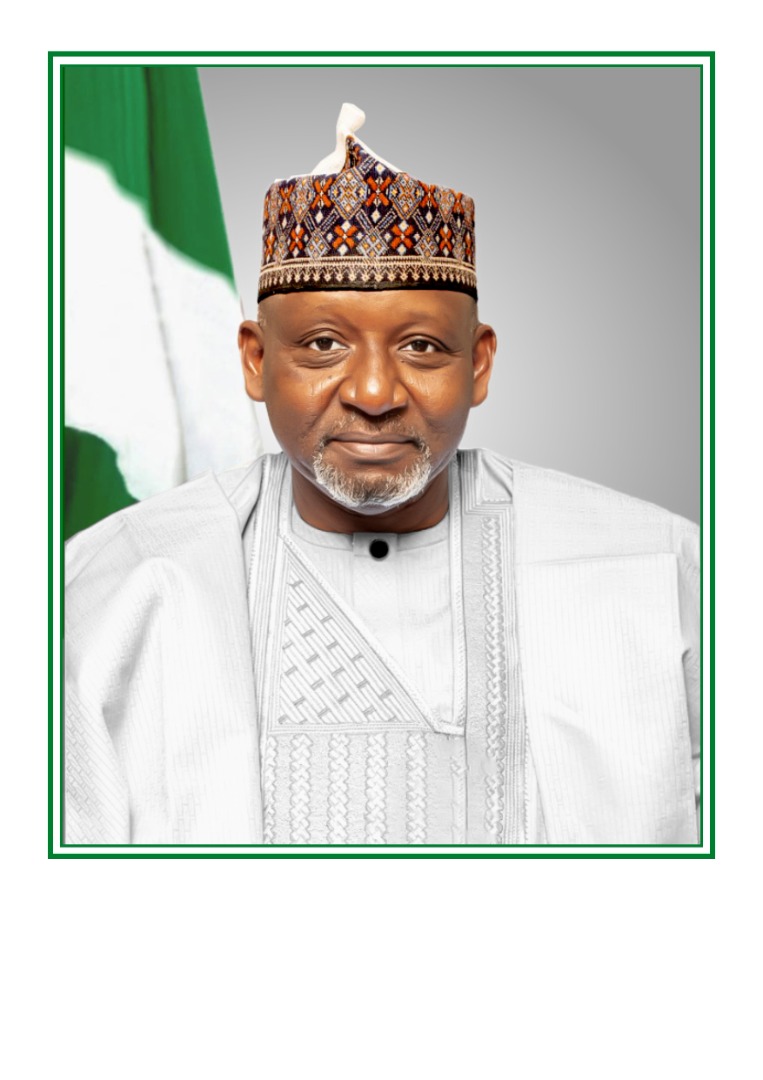
As Comptroller-General of Customs, Bashir Adewale Adeniyi, MFR, has repeatedly said, “Trade facilitation is not a slogan; it is an obligation.” Until those words become action, the road to Gbaji will remain a vivid reminder that Nigeria’s greatest trade barriers are not found at foreign borders, but within its own.
Customs Leadership Standpoint
In recent months, Comptroller-General Adeniyi has spoken firmly against these rogue outposts. “Under no circumstances should any officer delay legitimate business,” he warned during a press briefing reaffirming the Service’s commitment to trade facilitation as much as revenue collection.
Adeniyi, who was recently elected Chairperson of the World Customs Organization (WCO) Council, has called for a harmonised approach to border management that balances security with efficiency. “We must reduce the number of checkpoints and ensure that operations align with global best practices,” he said, acknowledging that the country’s image is on the line. His new WCO leadership role underscores the importance of aligning Nigeria’s border practices with international standards.
At the Seme Command, Comptroller Adenuga has been even more vocal, describing the proliferation of illegal checkpoints along the Seme corridor as “a disgrace and an embarrassment” to Nigeria’s security apparatus.
“No agency without business on this road should be here,” he said, vowing to collaborate with other law enforcement heads to dismantle the multiple barriers that have turned a critical trade route into a corridor of harassment.
Sadly, three Customs checkpoints were found at unapproved locations despite Comptroller Adenuga’s warnings.
Nigeria’s border corridors are under siege not by foreign enemies but by internal bottlenecks. If these are not uprooted, the promise of West African trade integration will remain just that – a promise.