Listen to story here
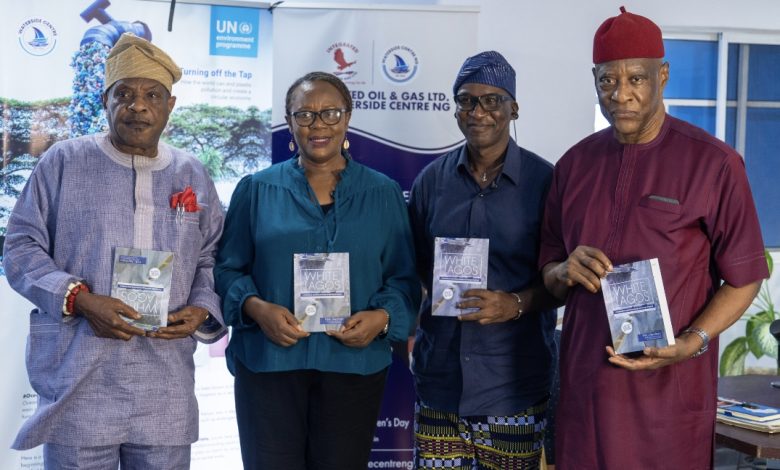
The Port City Reading Room of the Waterside Centre in Lagos, has opened with a conversation on White Lagos, a book by award-winning cultural and travel writer, Pelu Awofeso, that explores the history, traditions and cultural significance of Lagos’ iconic Eyo Festival.

Speaking at the inaugural session on Tuesday, the Chairman of Integrated Oil and Gas Limited and Waterside Centre, Capt. Emmanuel Iheanacho, described the initiative as “very worthy”, saying it could help revive reading culture and encourage more meaningful use of leisure time.


Iheanacho, a former Nigerian Minister of Interior, said the Reading Room offered an important alternative to spending leisure time solely in bars, entertainment venues and other recreational spaces.

“It creates an imperative for us to look at other ways of utilising our time, other than going into bars or dancing halls, drinking and all of those things,” he said.
According to him, bringing people together around books and ideas was essential to intellectual and societal development.
“There can’t be anything more dignified than assembling people and bringing interesting books for them to read and thereby encouraging them to develop that reading culture. Without the ability to read and to synthesise ideas, we would not be able to develop as a people,” Iheanacho said.
He commended Dr. Hope Orivri, CEO of Waterside Centre and Convener of the Port City Reading Room, for creating the platform.
Reflecting on White Lagos, Iheanacho said the book offered fresh perspectives on the Eyo Festival, despite his lifelong familiarity with the cultural spectacle.
“For those of us who are born in Lagos, we’re used to the Eyo Festival. Seasonally, you witness the Eyo, but you don’t know the dynamics, the cultural dynamics that’s behind the staging of those events,” he said.
He praised Awofeso for examining the origins, organisation and cultural practices surrounding the festival beyond its colourful public procession.
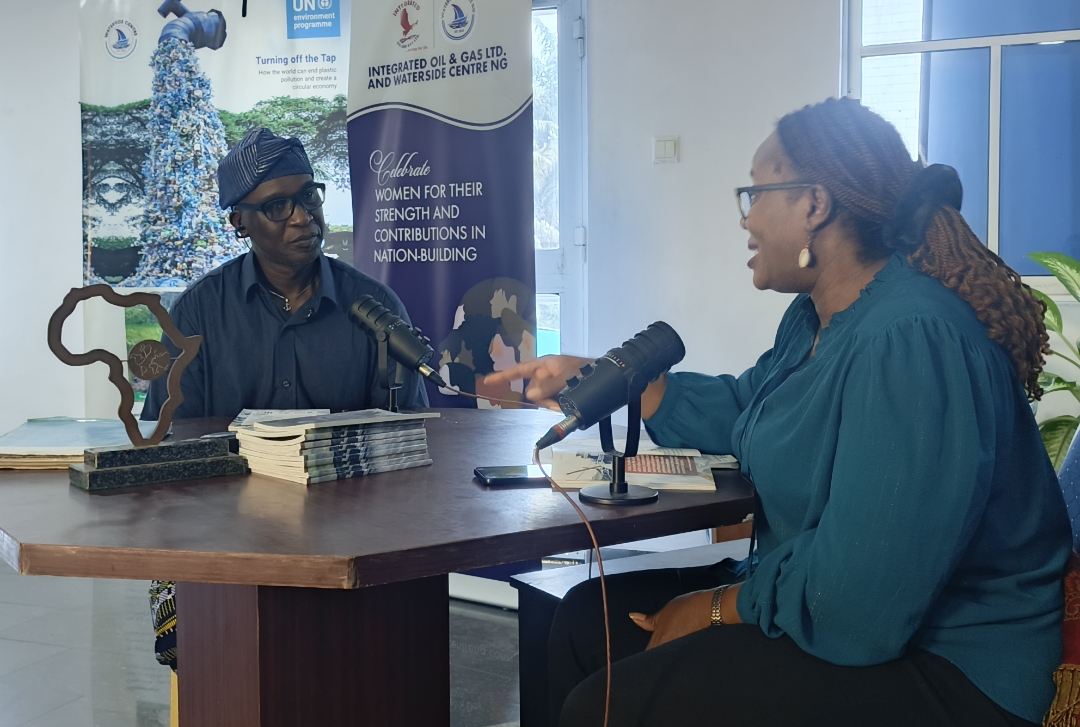
Awofeso, winner of the CNN/MultiChoice African Journalist Awards for Tourism, said his motivation for writing White Lagos came from growing up in Lagos and later covering the Eyo Festival professionally.
He explained that his research involved spending time within the community, interviewing people and examining the traditions surrounding Eyo.
During the conversation moderated by Orivri, Awofeso fielded questions on several aspects of the festival, including why Eyo participants wear different forms of attire, the varying accounts of the festival’s history, the weeklong event preceding the main celebration, and the need to preserve cultural knowledge through literature.
He explained that the differences in Eyo attire and practices reflect layers of tradition and identity, while acknowledging that historical accounts of the festival are not always uniform. He noted that such variations make documentation and continued research important to understanding Lagos’ cultural heritage.
Awofeso said White Lagos seeks to take readers beyond the spectacle of the Eyo procession to appreciate the deeper heritage of a tradition that has survived for centuries.
He equally encouraged journalists to document their professional experiences, noting that years of specialised reporting could become valuable historical records when properly preserved and published.
“The country doesn’t care whether you document; you have to document yourself,” Awofeso said, stressing that literature provides an important bridge between past experiences and future generations.
Orivri said the Port City Reading Room was established to create a space where books could stimulate conversations on history, culture, society and contemporary life.
She said the initiative goes beyond reading to building a community where people can interrogate ideas, share experiences and appreciate the role of literature in preserving collective memory and cultural identity.
The inaugural conversation was attended by several journalists, cultural enthusiasts and book lovers; including the pioneer Director of Enforcement and Regulation of the Council for the Regulation of Freight Forwarding in Nigeria (CRFFN), Chief Basi Opara, who applauded the initiative for promotion a relevant, but dying-culture of reading in Nigeria.
Opara’s words: “This was a beautiful experience learning about the Eyo Festival. I congratulate the author for this beautiful book. However, I also think the Waterside Centre deserves commendation and support for the Port City Reading Room which advocates for the revival of reading culture in Nigeria.
“Over the years, the dwindling nature of reading culture in Nigeria has really reduced the knowledge and understanding of many youth and young adults. I’m convinced that this initiative will not only solve that problem, but also contribute to nation building and development.”
The Port City Reading Room is expected to continue as a platform for conversations around books, ideas, culture and society, using reading and intellectual exchange to deepen knowledge and community engagement.