|
Getting your Trinity Audio player ready...
|
Stakeholders in Nigeria’s maritime and transport sectors have renewed calls for stronger integration of rail infrastructure with port operations to drive efficiency, sustainability, and inclusive growth within the country’s emerging blue economy.
The call was made at the 6th Educators and Maritime Stakeholders Lecture & Awards, organised by the Ocean Ambassadors Foundation (OAF) at the Radisson Blu Hotel, Ikeja GRA, Lagos, themed: “The Importance of the Rail Mode in the Blue Economy.”
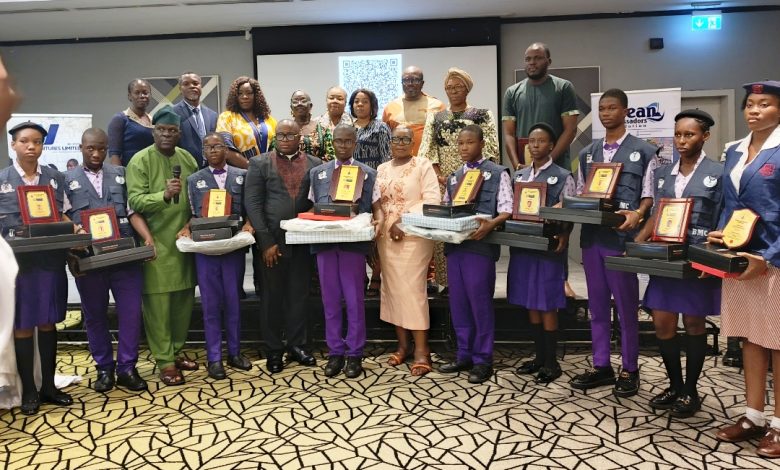
Meanwhile, the event also featured the presentation of awards to the winners of the 5th Nationwide Blue Talents Virtual Marine and Blue Economy Quiz Competition.

The event brought together educators, policymakers, students and industry leaders to explore how an efficient rail system could serve as the lifeline between Nigeria’s ports and inland markets, while easing road congestion and boosting trade competitiveness.
Delivering the keynote address on behalf of the Managing Director of the Lagos Metropolitan Area Transport Authority (LAMATA), Engr. Abidemi Alobatele, Rail Design Senior Specialist and Project Manager for the Blue and Red Line Infrastructure projects, stressed that rail connectivity is central to building a sustainable and smart blue economy.
He said Nigeria’s economic transformation depends on the seamless linkage between land and sea logistics, noting that “rail transport provides the strength, efficiency, and sustainability that define a thriving blue economy.”
Alobatele warned that the country’s over-reliance on road transport continues to weaken port operations through congestion and high logistics costs, adding that rail systems offer cleaner, safer, and more cost-effective alternatives for moving both freight and passengers.
He urged government and private investors to prioritise rail investment as a national growth strategy aligned with climate commitments and sustainable development goals.
The President of Nigerian Association of Master Mariners (NAMM), Capt. Tajudeen Also, who chaired the event, admonished the participating students and academic institutions to maximise the opportunities to learn about maritime and network with industry stakeholders.
Alao, who is also a Governing Board member of the National Inland Waterways Authority (NIWA), remarked that such rare privilege enables the young minds begin to ponder about the enormous opportunities as well as the challenges with a view to solving them from an early age.
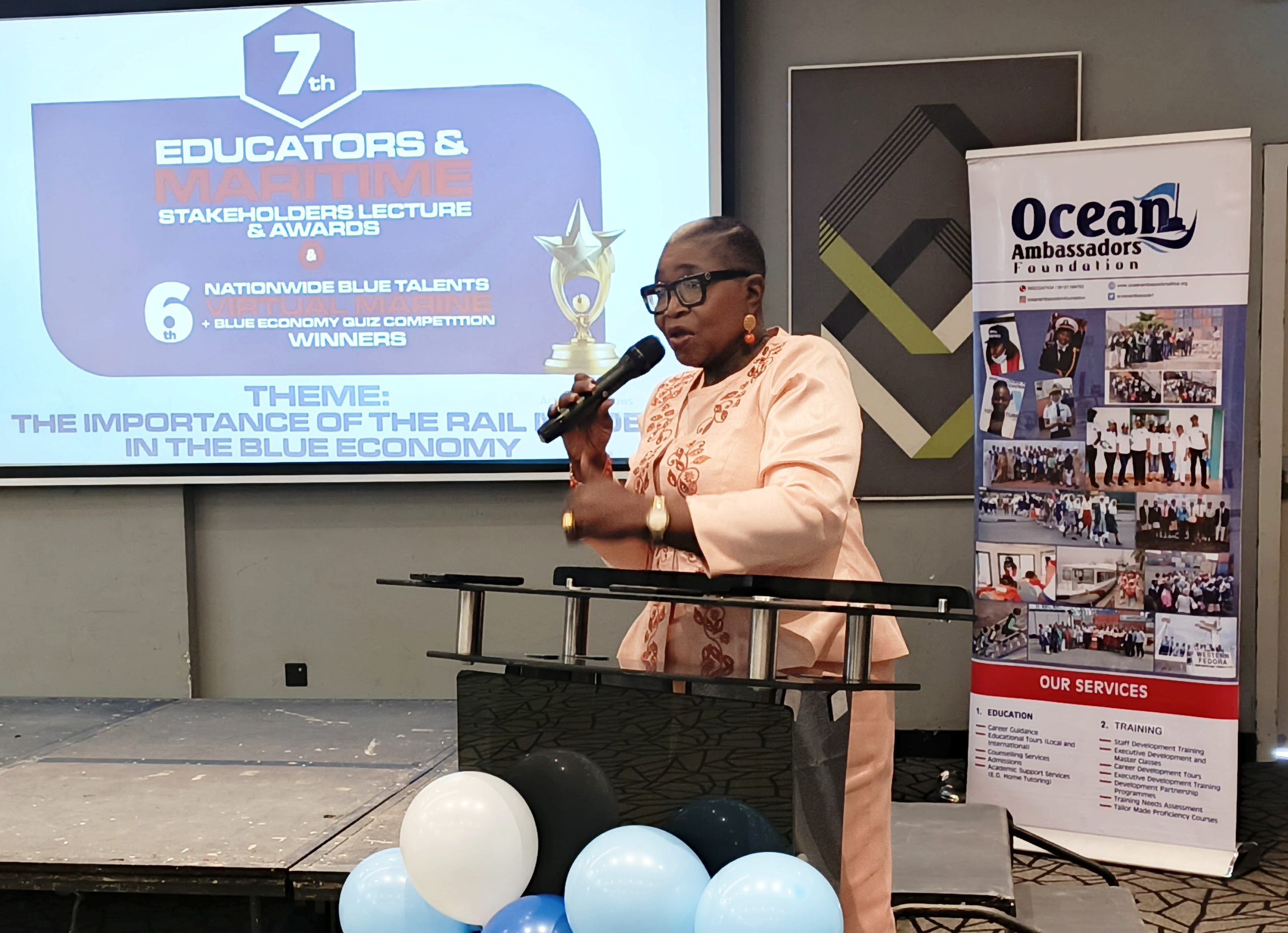
Earlier, the Convener of the event and Founder of the OAF, Hon. Olaitan Violet Williams, emphasized the need to expand the blue economy value chain beyond traditional port activities by strengthening entrepreneurship and technical education among young Nigerians.
She commended the Federal Government for establishing the Ministry of Marine and Blue Economy, describing it as a major policy milestone that should be replicated by states to localize opportunities and create jobs.
“It is not all about having a PhD,” Williams said. “The blue economy is about developing the entrepreneurial and technical skills that will empower our young people to participate actively in maritime, logistics, and related sectors. Every state must take ownership of this agenda.”
In her goodwill remarks, the Special Guest of Honour and Chairperson of the LCCI Education Group, Dr. (Mrs.) Bukky Fadayomi, underscored the importance of multimodalism in reducing traffic congestion, road accidents, and logistics bottlenecks.
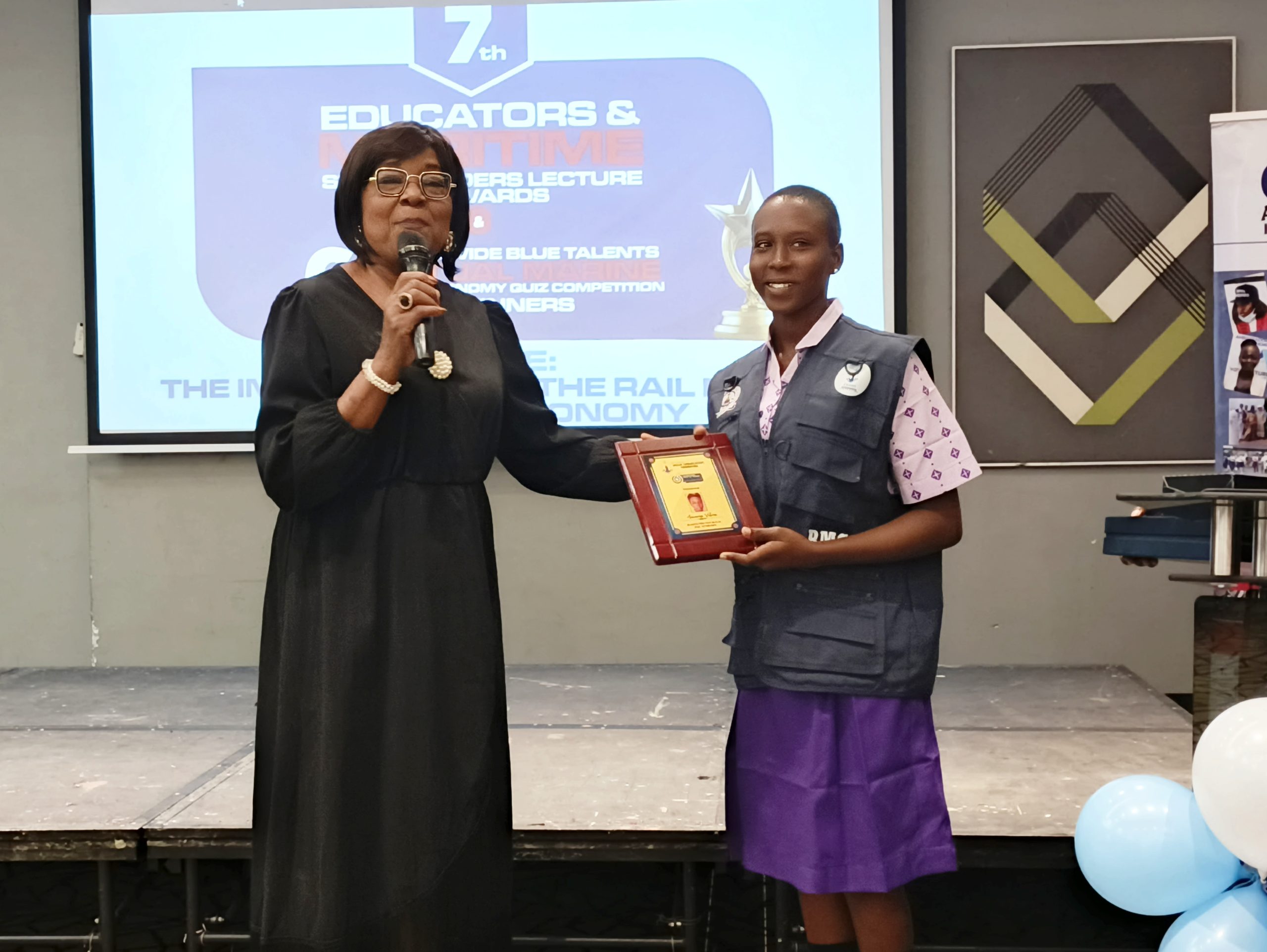
She advocated for increased student engagement in transport and maritime studies, noting that diversifying Nigeria’s transport system would “reduce our overdependence on roads and expand economic access across regions.”
Other guests included Capt. Tajudeen Alao, President of the Nigerian Association of Master Mariners (NAMM); Mrs. Ify Akerele, Vice President of the Nigerian Chamber of Shipping (NCS); Chief (Mrs.) Carol Ufere, former Port Manager of the Nigerian Ports Authority (NPA); and representatives of the Lagos Metropolitan Area Transport Authority (LAMATA).
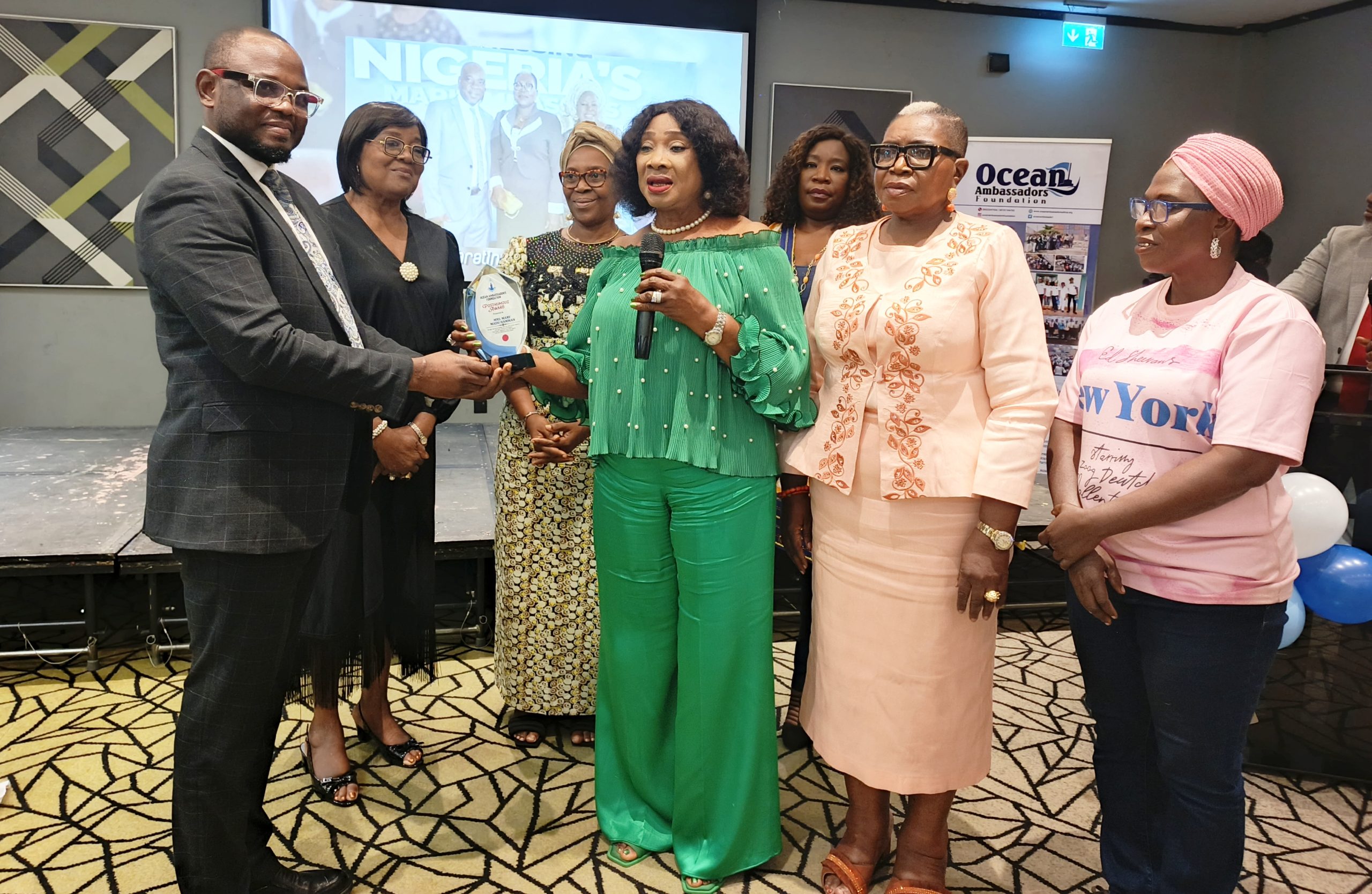
The event also featured the presentation of awards to distinguished contributors to maritime education and advocacy. A posthumous award was presented to the late Mrs. Mary Madu Hamman, former President of the Women’s International Shipping and Trading Association (WISTA) Nigeria, in recognition of her commitment to girl-child education and professional mentorship in the maritime sector.
Fountain Heights Secondary School and Mrs. Afolake Taiwo, a veteran educator and Director of Education at the Ministry of Defence, were also honoured for their roles in advancing maritime awareness and learning.
Participants at the forum called for the integration of rail systems with port infrastructure, reintroduction of weighbridges to prevent road damage, and expansion of public–private partnerships to fund transport infrastructure.
They further urged the inclusion of blue economy studies in school curricula, promotion of youth participation, and adoption of cleaner technologies to enhance Nigeria’s competitiveness and environmental resilience.
As part of efforts to promote interest in maritime at elementary school level, Babington Macaulay Junior Seminary, seized the occasion to inaugurate its Maritime Club with 50 students.