Listen to story here
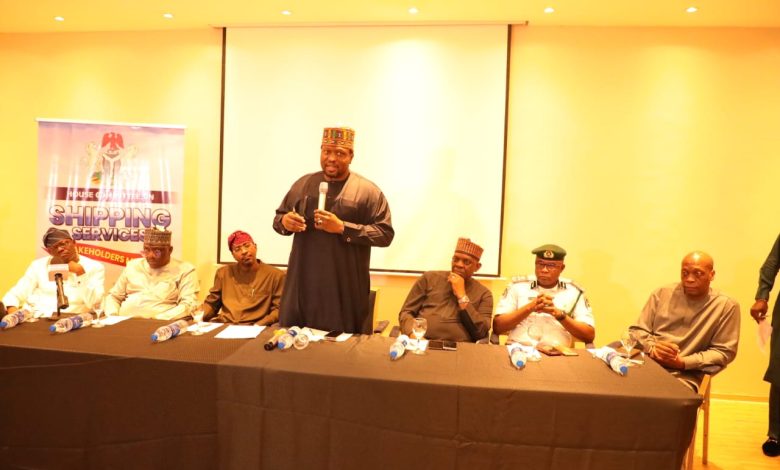
The House of Representatives Committee on Shipping Services has given stakeholders in the maritime sector a three-week deadline to resolve the lingering dispute over the increase in port service charges.


Recall that the tariff hike has sparked protests and caused disruptions at some seaports, with operators divided over the new charges.

Chairman of the Committee, Abdusamad Dasuki, who spoke with journalists after a closed-door meeting, said that all parties have agreed to return to the negotiation table and conclude discussions within the stipulated timeline.
He noted that while most stakeholders acknowledge the need for tariff adjustments, the final rates and implementation process would be determined after further consultations with key agencies, including the Nigeria Customs Service and the Nigerian Ports Authority (NPA).
Dasuki said the review process, which began late last year, is expected to be concluded by the end of April or early May, expressing confidence that a final agreement would be reached within three weeks, paving the way for implementation of a mutually accepted tariff structure.
He added that the approved 30 per cent increase remains under review pending the outcome of ongoing consultations.
On his part, the Executive Secretary of the Nigerian Shippers’ Council, Pius Akutah, described the consultations as necessary and said shipping companies had been directed to conclude engagements with customers and other stakeholders before a final meeting next week.
According to him, reports from the consultations would be reviewed at the meeting before a final decision is taken.
Akutah maintained that the Council acted within its regulatory powers in approving the tariff increase, but stressed that broad-based dialogue was essential to secure industry acceptance.
Meanwhile, the Shipping Association of Nigeria (SAN) expressed concern over the pace of progress, citing the absence of a transparent and uniform framework for tariff reviews.
In a statement delivered on behalf of the Association’s Chairman, Mrs. Boma Alabi SAN, the group said little progress had been made in establishing a clear tariff-setting mechanism despite previous directives from the National Assembly.
The statement, presented by SAN Executive Secretary, Jacinta Okoro, also accused the NSC of sending mixed signals by approving varying tariff increases for different operators, a development it said had undermined confidence in the regulatory process.
SAN, however, reaffirmed its readiness to continue discussions with the National Assembly and other stakeholders, while urging the committee to ensure the urgent implementation of a credible and transparent tariff framework for the sector.