Listen to story here
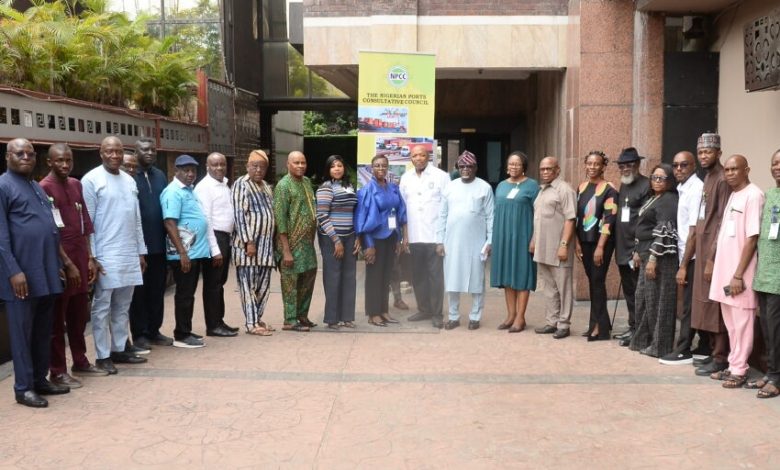
The Nigerian Ports Consultative Council (NPCC) has concluded a two-day intensive training programme aimed at strengthening manpower capacity and operational efficiency across Nigeria’s seaports.
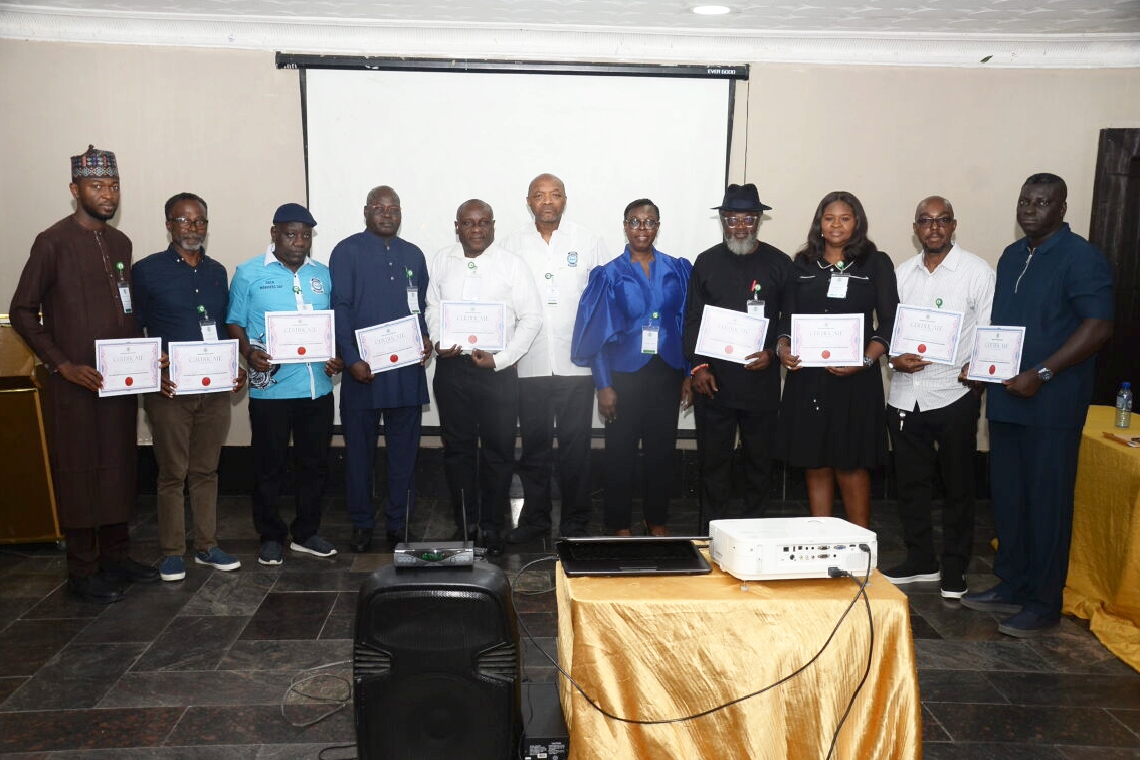
The training, which held February 27th and 28th, 2026, at Landmark Hotel, Port Harcourt, Rivers State, brought together participants from the Nigerian Ports Authority (NPA), Nigerian Shippers’ Council, stevedoring firms, and other port service providers.


Aligned with the theme of onshore and offshore ports operations and management, seven technical papers addressed critical areas including port community systems, digitalisation, compliance, safety, innovative technology, and workforce health.
Delivering a goodwill message, Board of Trustees member, Chief Mrs. Chinwe Ezenwa, commended the NPCC for promoting knowledge sharing and addressing global maritime priorities such as port digitalisation.
“I encourage the NPCC to continue on this worthy path, as it creates a lasting legacy for the maritime industry through knowledge sharing and capacity development,” she said.
In his welcome address, NPCC Chairman, Mr. Bolaji Sunmola, said the Council deliberately assembled expert faculty and well-researched papers to address current operational demands.
“For efficient port operations, highly technical skills and relevant knowledge are essential. This training is designed to equip participants with both,” he said, expressing confidence attendees would gain practical value for their roles.
NPCC Vice Chairperson, Mrs. Jean Chiazor Anishere, SAN, emphasised shipping’s global nature and the need for Nigerian port professionals to align with international standards. She added that hosting the programme in Port Harcourt reflected the Council’s commitment to extending capacity-building beyond Lagos.
Captain Iheanacho Ebubeogu opened the technical sessions with a paper on logistics and physical distribution management, while Prof. Bamidele Badejo highlighted the growing role of drones and artificial intelligence in vessel traffic services, ballast water management, and port community systems.
Former Tin Can Island Port Manager, Chief Sylvester Egede, examined port community systems and safe crew transfer in offshore logistics. Other presentations covered smart port technologies, electronic data interchange, integration of shore-base and offshore facilities, and mental health issues such as fatigue and burnout.
The sessions featured robust discussions, with the programme concluding with practical exercises on mental health and workforce wellbeing to support productivity and operational efficiency.