BusinessNews

Financial Inclusion: Digital Lenders Hail Democracy, Urge Debt Recovery Reforms

By Rukayat Moisemhe

0:00

Listen to story here

Digital lenders under the Money Lenders Association (MLA) have lauded Nigeria’s democratic governance for fostering financial inclusion and expanding access to credit for millions of underserved individuals and small businesses across the country.

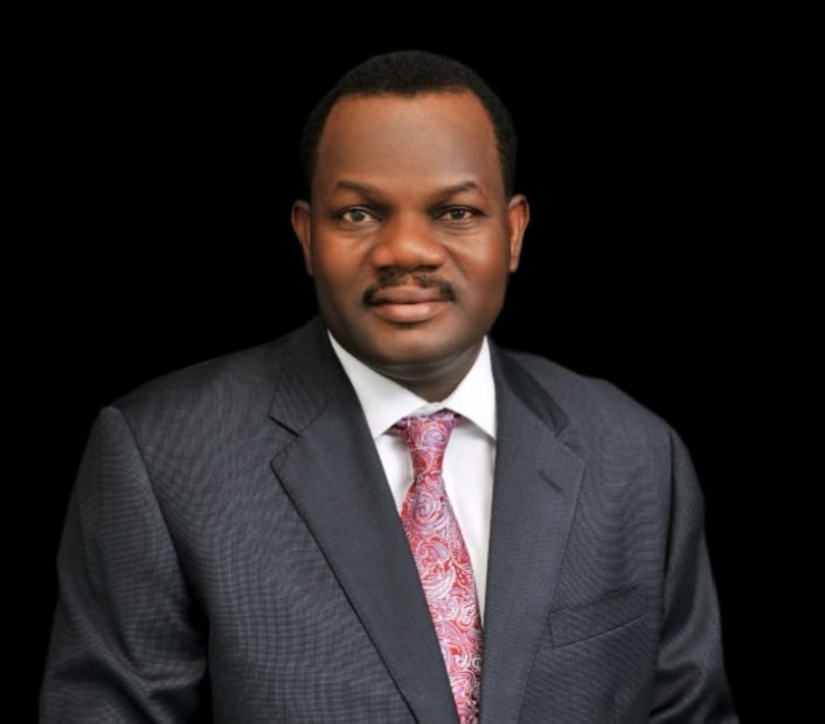
Mr Gbemi Adelekan, Chairman, MLA and Group Managing Director of Trafalgar Associates Ltd., owners of KwikPay Credit, gave the commendation in an interview with the News Agency of Nigeria (NAN) in Lagos.

Adelekan said democracy and the rule of law had created an enabling environment for digital lenders to contribute to economic growth, financial inclusion and the empowerment of Micro, Small and Medium Enterprises (MSMEs).

“A strong democracy is important for economic growth and development that benefits all Nigerians, including the many MSMEs that depend on digital lenders to meet emergency funding needs and build thriving businesses.

“Democracy and the rule of law are essential foundations for building trust, fairness and transparency, while enabling businesses such as ours to provide critical financial services that support a sustainable economy,” he said.

According to him, digital lenders have helped bridge financing gaps left by conventional banking institutions, particularly among low-income earners and operators in the informal sector.

He noted that in spite of improvements in financial inclusion, a significant proportion of Nigerians remained outside the formal banking system, creating opportunities for digital lending platforms to provide accessible credit solutions.

Adelekan said the growth of internet connectivity and mobile technology since the early 2000s had accelerated the adoption of digital lending services, enabling borrowers to access collateral-free loans through mobile applications and USSD platforms.

He added that digital lending platforms had expanded access to finance across rural and urban communities, providing working capital to small businesses and supporting household consumption.

“Timely access to credit helps individuals and businesses manage cash flow challenges, address emergency liquidity needs and improve their livelihoods.

“For MSMEs, which are the backbone of the Nigerian economy, access to working capital can support expansion and job creation,” he said.

Adelekan commended recent regulatory interventions by the Federal Competition and Consumer Protection Commission (FCCPC), describing them as important steps toward sanitising the industry.

He said the commission’s enforcement actions against unregistered operators and the introduction of mandatory licensing requirements had strengthened consumer protection and improved industry standards.

According to him, government efforts to promote financial inclusion and establish a more structured regulatory framework are encouraging innovation and investor confidence within the sector.

He, however, called for additional reforms to strengthen the digital lending ecosystem, particularly in the area of debt recovery.

Adelekan urged government to establish a more effective legal framework for loan recovery and introduce measures to discourage deliberate loan defaults.

He advocated access for licensed digital lenders to the Global Standing Instruction (GSI) framework to facilitate loan recovery from borrowers with multiple bank accounts.

The industry leader also proposed the establishment of small claims digital courts to enable faster and more cost-effective resolution of loan default disputes, particularly for low-value consumer loans.

He further called for increased public awareness campaigns on financial literacy and responsible borrowing.

“Our youths need to understand the long-term consequences of borrowing from multiple lenders without repayment.

“Credit must have consequences, both positive and negative, if the lending ecosystem is to remain sustainable,” Adelekan said.

He expressed confidence that with stronger regulations, improved consumer education and enhanced debt recovery mechanisms, the digital lending sector would continue to support economic development and financial inclusion in Nigeria. (NAN)(www.nannews.ng)

ARM

Related Articles

Leave a Reply

Your email address will not be published. Required fields are marked *

Back to top button