
Retire the Uniform, Not Your Relevance: Ex-Customs Chief, Nnadi Tells Retirees

Listen to story here
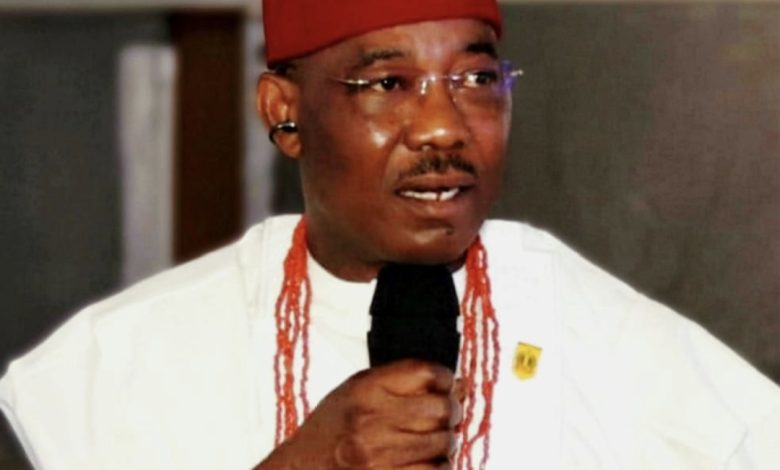
A retired Deputy Comptroller General of Customs, DCG Dera Nnadi mni, has urged 35-year veterans of the Nigeria Customs Service (NCS) to treat retirement as a new phase of purpose, health, financial discipline and family renewal.
Retirement should not mean withdrawal from life. That was the central message delivered by Dera Nnadi, a Trade Maritime Customs Consultant and Deputy Comptroller General of Customs (Rtd), on Saturday in Lagos at a retirement party and public lecture for members of Course 1/94 of the Nigeria Customs Service.


The event was themed “From Service to Retirement – Celebrating a Journey of Sacrifice, Accomplishment and New Beginnings.” It honoured officers who joined the Service in 1992 and have now completed 35 years of service.

Nnadi said the gathering was more than a farewell, but a worthy occasion to honour men and women whose careers contributed to national growth. He described the Service as “a school of life, a training ground for leadership” and, for many, a second family. He added that it was his own first family until a few months ago.

Sacrifice, Families and the Cost of Service
Nnadi paid particular tribute to the families behind the retirees. He noted that a posting from Lagos to Maiduguri, or from one remote border station to another, is never borne by the officer alone.
Spouses relocated, managed homes single-handedly and raised children with one parent often absent. Birthdays, anniversaries and school events were sometimes marked without the officer present.
“You were not spectators in this journey,” he told the families, describing them as partners and “silent pillars” of the retirees’ achievements.
He also acknowledged the professional toll of public service: difficult postings, delayed promotions, unrecognised effort and personal ambitions that sometimes yielded to institutional demands. Even so, he urged the retirees not to let losses define their memory of service, but to take pride in their contributions and “make peace with what we could not change.”
He said the Service remains central to national development, economic stability and security. Through revenue generation, trade facilitation and the protection of legitimate business, he said, every officer, wherever posted, formed part of a larger national endeavour.
Retirees, he said, should therefore leave with their heads held high.
Nnadi equally challenged serving officers to learn from Course 1/94. He listed four lessons: the uniform represents responsibility, not privilege alone; professionalism, discipline and integrity must anchor a career; family and health should not be sacrificed entirely to official duty; and good relationships formed on the job can outlast it.
Health, Money and Life After the Parade Ground
The bulk of the lecture addressed the practical realities of life after service. Nnadi warned that the sudden absence of rosters, briefings and deadlines can bring relief for some and a sense of emptiness or lost identity for others.
Retirement, according to him, should instead be a chance to pursue interests that active service did not allow, including new skills, business, community work and mentoring.
“Do not retire from living simply because you have retired from the Customs Service,” he posited.
He cautioned that relationships often change once office and rank fall away. Calls may drop and invitations may thin out. He, therefore, advised retirees to learn to distinguish relationships built on position from those built on genuine affection and mutual respect, and should not let the shift dent their self-worth.
On health, he called for regular medical check-ups, including monitoring of blood pressure and blood sugar, along with balanced diets, exercise and adequate sleep. He also admonished retirees to take mental and emotional well-being seriously and to seek professional help when needed.
On finances, Nnadi advised against large commitments simply because a lump sum has been received. He encouraged retirees to understand any business before investing, weigh the risks, seek professional advice and diversify.
He pointed to agriculture, real estate, small and medium-scale enterprises and professional consultancy as possible options, provided they match each retiree’s capacity and experience.
He warned against fraudulent schemes, unrealistic returns and pressure to invest quickly, and urged retirees to resist pressure from friends and relatives.
The goal of post-retirement investment, he said, is to preserve capital, generate sustainable income and maintain financial independence, not to get rich overnight. He also stressed estate planning and wills to protect families and assets.
Keeping the Fellowship and Documenting the Legacy
Nnadi urged Course 1/94 to preserve the bonds formed over decades. He suggested that their association could become a platform for mentorship, knowledge-sharing, social intervention and community development, with members supporting one another and marking individual milestones together.
He also encouraged the retirees to document their experiences, including postings, lessons learned and institutional changes they witnessed, so that the Service and future generations can benefit from them.
“You may be retiring from the institution, but the institution should not lose the benefit of your experience,” he remarked.
He closed with a message of gratitude and hope. “Retirement is not the end of your relevance. It is the beginning of a different expression of your relevance.”
Indeed, as Nnadi lavishly expressed: the uniform may be returned and the office handed over, but knowledge, wisdom and relationships remain.