

Inside Afeni’s Idiroko Transformation: From Smuggling Stronghold To Trade Gateway

Listen to story here
For years, the Idiroko border in Ogun State carried a stubborn reputation-porous, unpredictable and deeply entangled in illicit trade. Positioned along the busy Nigeria–Benin Republic corridor, it became a playground for smugglers who understood its maze of bush paths and creeks better than enforcement officers. But that narrative is shifting.

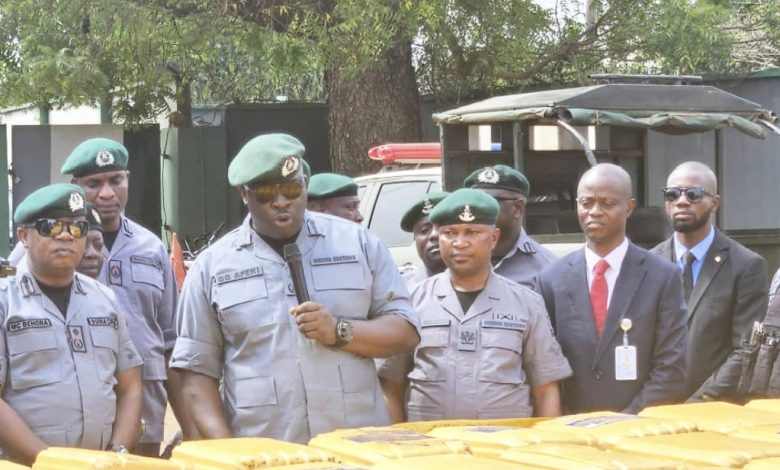
At the centre of this transformation is Oladapo Afeni, Acting Customs Area Controller of the Ogun I Area Command. Since taking charge, Afeni has redrawn the enforcement playbook—moving from routine patrols to intelligence-driven operations.

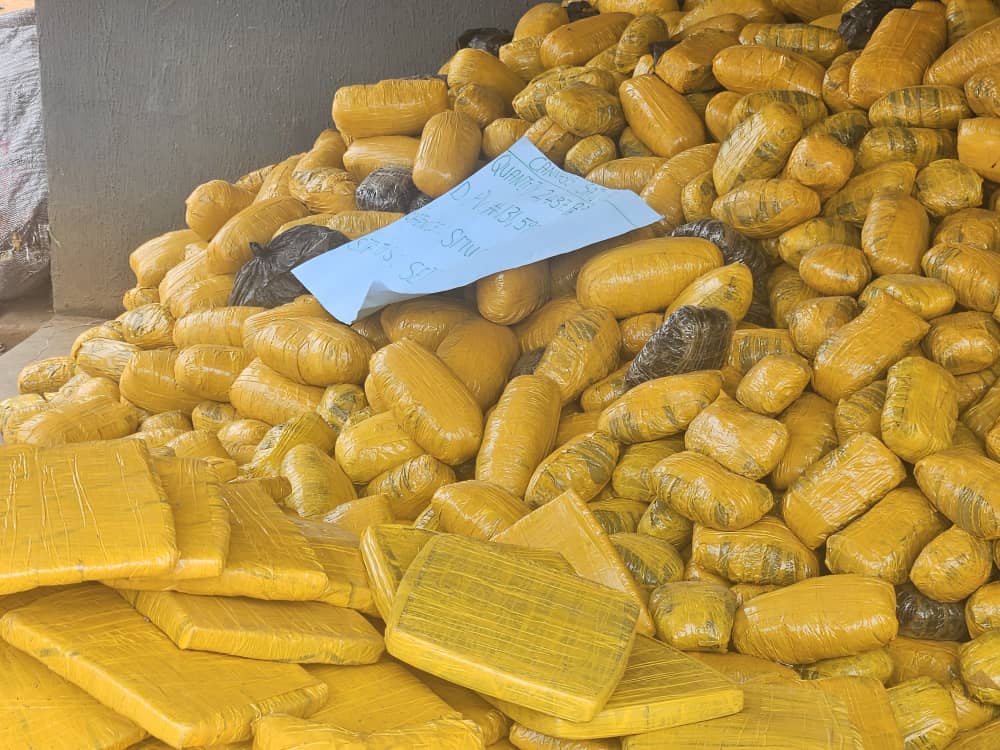
The results have been swift. Within six weeks, the command recorded seizures valued at over N1.4 billion.
Yet, beyond the figures lies a more strategic shift. Afeni’s approach leans on intelligence gathering and community collaboration. Border residents who were once passive observers are now key sources of information, helping officers track smuggling routes and patterns. That shift is paying off.
On March 11, acting on intelligence, officers intercepted a truck along the Agbara axis carrying thousands of kegs of vegetable oil-smuggled in smaller consignments through creeks before being consolidated. Days earlier, another operation stopped a truck loaded with over 4,000 cartons of foreign spaghetti.
These interceptions highlight a critical reality: smuggling networks are evolving. But, increasingly, so is enforcement.
The range of seized goods underscores the scale and complexity of the trade. From staple foods and petroleum products to used clothing and pharmaceuticals, smugglers are diversifying cargo to minimise losses. If one stream is blocked, another might succeed.
But not all intercepted cargo is purely economic.
In a striking operation, officers rescued four live pangolins—one of the world’s most trafficked endangered species later handed to Green Fingers Wildlife Conservation. In another case, two antiquities believed to be cultural artifacts were recovered and transferred to the National Museum in Abeokuta, preserving fragments of Nigeria’s heritage that might otherwise have disappeared across borders.
While enforcement intensifies, revenue is also rising. The command generated N285.6 million within the review period an increase of over N259 million compared to the same period last year, representing a remarkable surge.
Perhaps the most symbolic shift, however, is the return of export activity at Idiroko.
For years, the corridor functioned largely as an entry and smuggling route, with little structured export trade. That is changing. The command recently recorded 95 metric tons of exports valued at over N300 million signalling a gradual restoration of legitimate commerce.
For traders and transporters, it is a sign of renewed opportunity. For Customs, it is proof that enforcement and trade facilitation can coexist.
Afeni credits much of the progress to collaboration—with traditional rulers, local communities, sister agencies and the media. In a terrain once defined by evasion, cooperation is becoming a new tool of control.
Still, he is under no illusion. Smuggling networks are adaptive, constantly testing the system for weaknesses.
“Our war on smuggling continues,” Afeni says. “Through intelligence and strategic monitoring, we remain ahead of economic saboteurs.”
For now, the signs are clear. With seizures mounting, revenue improving and exports returning, Idiroko is shedding its old identity.
What is emerging in its place is not just a more secure border, but a redefined trade corridor one where the balance is gradually tipping from illicit survival to regulated opportunity.