Listen to story here

The Federal Government has ruled out any immediate increase in electricity tariffs, reaffirming that its priority is to improve power supply, expand metering and strengthen the nation’s electricity infrastructure.
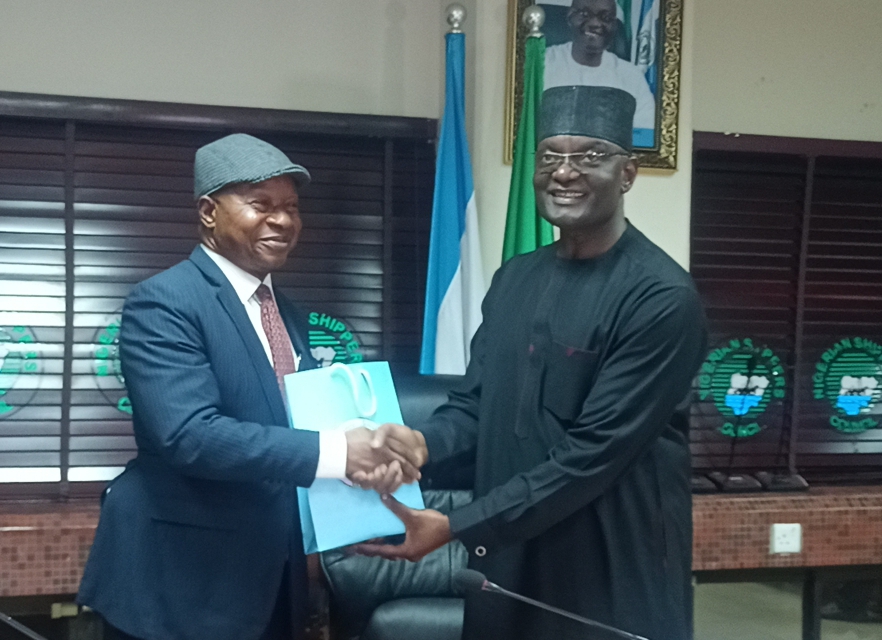
Minister of Power, Joseph Tegbe, gave the assurance on Friday at a National Media Roundtable on the resetting of Nigeria’s power sector in Abuja.


According to him, the administration has no policy to increase electricity tariffs beyond the current level, stressing that improving service delivery remains its immediate focus.

“There is no policy by this administration to increase electricity tariffs beyond the current level. Our priority is not tariff increase in the immediate term. Our priority is service improvement, universal metering and ensuring Nigerians pay only for the electricity they actually consume,” Tegbe said.
He disclosed that the Federal Government has commenced a comprehensive reform agenda to tackle long-standing challenges across electricity generation, transmission, distribution and market financing.
As part of the initiative, Tegbe said a technical audit of the national transmission network would be carried out to identify ageing infrastructure, overloaded substations, weak transmission corridors and other bottlenecks affecting power supply nationwide.
He added that strategic investments would be directed towards strengthening electricity transmission along the Lagos, Enugu–Port Harcourt and Abuja–Kaduna–Kano corridors to improve grid stability.
The minister also announced that the government is advancing a Power Sector Bond initiative aimed at clearing legacy debts owed to generation companies, gas suppliers and other participants in the electricity market, a move expected to restore investor confidence and improve market liquidity.
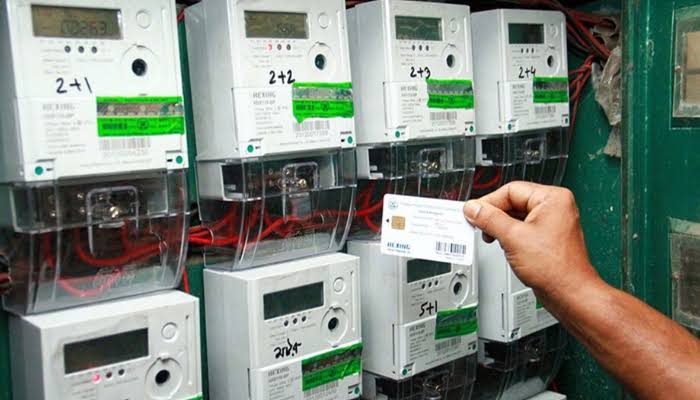
On metering, Tegbe said the Presidential Metering Initiative remains a key component of the reforms. He explained that the recently inaugurated Power Force would train and deploy 5,000 Nigerian youths to install prepaid meters across the country, helping to bridge the nation’s metering gap.
He further revealed that Nigeria has consistently generated about 5,000 megawatts of electricity over the past two weeks, attributing the improvement to better coordination across the electricity value chain and improved availability of generation plants.
Despite the progress, Tegbe acknowledged that increasing generation alone would not resolve the country’s electricity challenges unless transmission, distribution and revenue collection also improve.
He said the Federal Government would continue collaborating with the Nigerian Electricity Regulatory Commission (NERC) and state electricity regulators to harmonise regulations under the Electricity Act.
The minister expressed confidence that the ongoing reforms would deliver a stronger national grid, lower technical losses, improved market discipline, increased investor confidence and wider access to electricity within the next two to three years.
He called on investors, electricity market operators, development partners, state governments, labour unions, consumer groups and the media to support the Federal Government’s efforts to build a more reliable, efficient and financially sustainable electricity sector.