
Listen to story here
The Barge Operators Association of Nigeria (BOAN), in technical partnership with the Sea Empowerment and Research Center (SEREC), has called for urgent regulatory intervention to address critical operational challenges confronting barge operators in Nigeria’s port system.

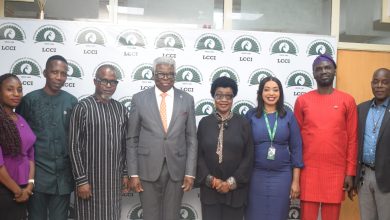
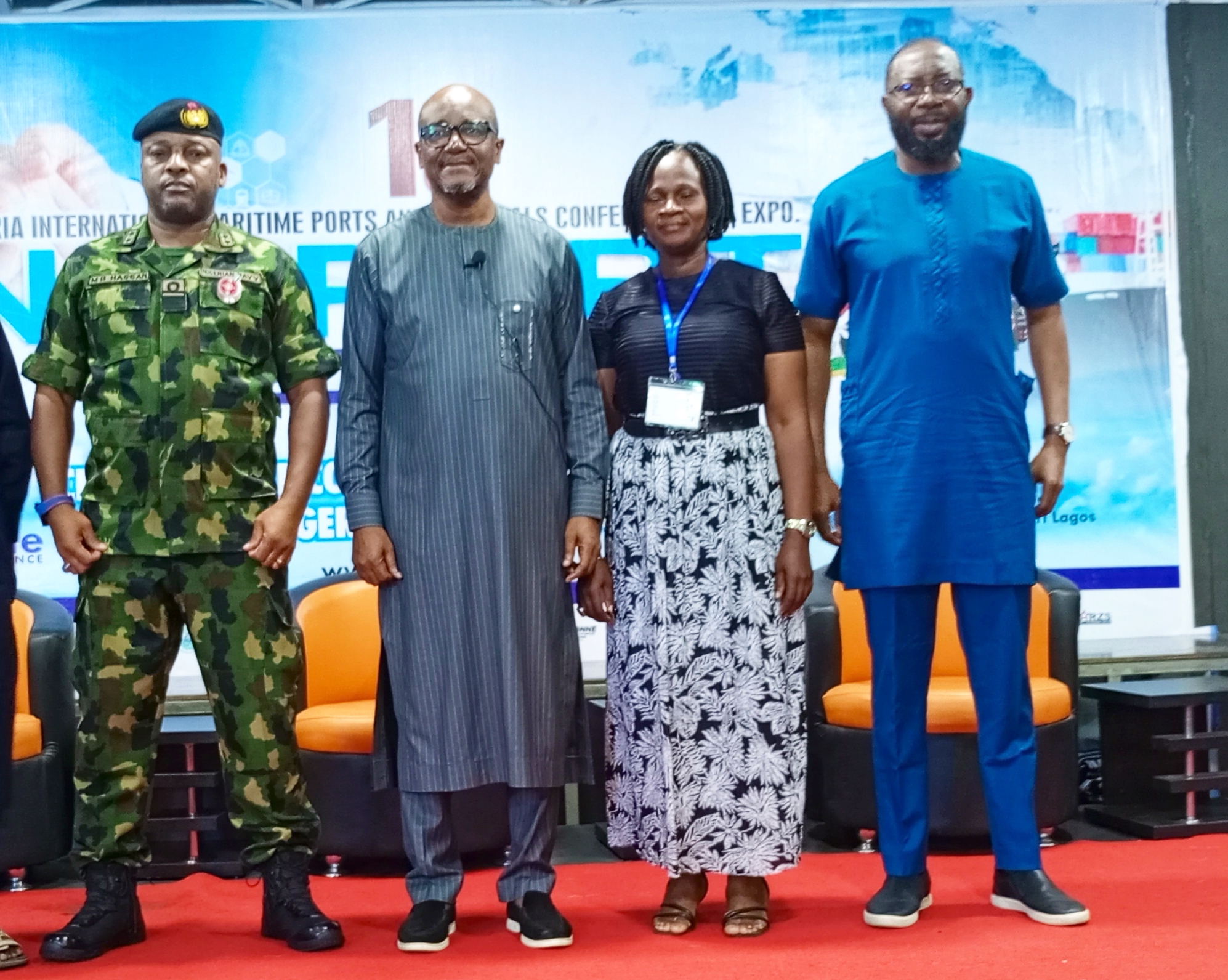
The appeal was made during the formal submission of a report on barge operational challenges to the management of the Nigerian Shippers’ Council (NSC) on Thursday. The report was received by Mrs. Margaret Ogbonna, Director of Regulatory Services, on behalf of the Council’s Chief Executive Officer.
BOAN, in its submission, commended the NSC for convening the engagement in line with the directive of the Honourable Minister of Marine and Blue Economy, Adegboyega Oyetola, describing the intervention as both timely and necessary.

The association underscored the growing strategic importance of barging within Nigeria’s maritime logistics chain, noting that it has evolved into a critical backbone for port operations. According to BOAN, barging now plays a central role in decongesting ports, supporting multimodal transport systems, and enhancing overall supply chain efficiency.
Despite this, the group expressed concern that indigenous operators are increasingly hampered by systemic and operational constraints requiring immediate regulatory attention.
At the heart of BOAN’s concerns are three key issues; access, transparency, and competitive balance.
On access, the association pointed to growing cases of unequal and, in some instances, restricted entry to terminals and berthing windows, a development it said undermines efficiency and distorts fair competition.
Regarding transparency, BOAN highlighted the absence of standardized tariff and operational frameworks, which it noted creates uncertainty and exposes local operators to avoidable cost burdens.
The group also raised concerns over what it described as an imbalance in competitive conditions, alleging that foreign-linked operators sometimes enjoy preferential treatment within the port ecosystem.
BOAN clarified that its position is not driven by protectionist motives but anchored on the need for fairness, transparency, and regulatory consistency.
From a technical standpoint, the association maintained that local operators possess the requisite capacity and competence, including in emerging areas such as barge-enabled liquid cargo transportation. It stressed, however, that an enabling environment is essential to fully harness this potential.
To address the identified challenges, BOAN recommended the enforcement of non-discriminatory access protocols across all terminals, standardization and transparency in tariff structures, strengthened regulatory oversight to ensure fair competition, and formal recognition of barging as critical logistics infrastructure within Nigeria’s port operations.
The association further emphasized that creating a level playing field for barge operators goes beyond industry concerns and should be viewed as a national economic priority.
It noted that with the right policy support, barging has the potential to significantly reduce pressure on road infrastructure, lower logistics costs, generate employment, and strengthen Nigeria’s competitiveness within the blue economy.
BOAN reaffirmed its commitment to continued collaboration with the NSC toward building a more efficient, transparent, and sustainable maritime sector.