Listen to story here
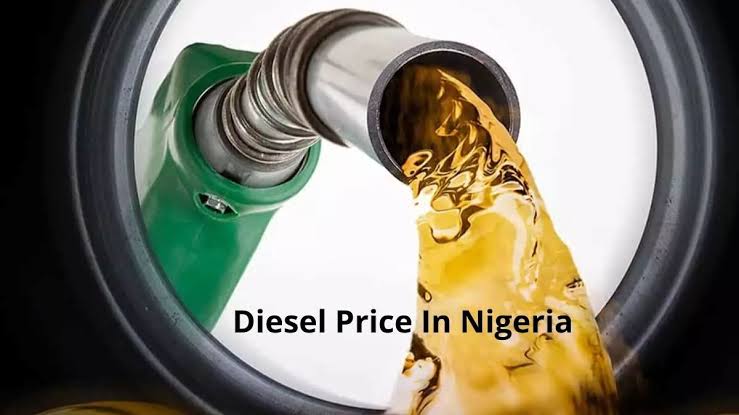
As part of efforts to ease the economic burden on Nigerians, Dangote Petroleum Refinery & Petrochemicals has reduced the cost of its diesel product to N1,020 per litre, down from N1,075 per litre at the gantry price.
Since it began diesel production in January 2024, the refinery has reduced the price of diesel more than three times, from an initial N1,700 per litre to the current rate, thus providing much-needed relief to manufacturers and consumers alike.

The latest reduction of N55 per litre for diesel follows the revelation by Development Economist and Public Policy Analyst, Prof. Ken Ife, that the Dangote Petroleum Refinery sacrificed over N10billion to ensure the availability of petrol at a uniform price across the country during the yuletide period.
He also praised the refinery for setting a new benchmark in Nigeria’s energy sector by unlocking vast opportunities for export revenue.
Speaking on the transformative impact of the refinery on Arise TV, Prof. Ife explained that for years, the equalisation fund had been responsible for managing the price differentials and transportation costs involved in distributing petroleum across the country. However, it has been reported that the fund owes marketers over N80billion, according to the development analyst.
“What has actually happened is that the president has shifted the subsidy burden away from the public purse and onto the private sector. The equalisation fund, which was meant to cover the price differential and transportation costs, plays a crucial role. If petroleum is to be sold across the country at a set price, then transportation costs must be accounted for to ensure this is possible. That’s the purpose of equalisation. However, the equalisation fund is reported to owe around N80 billion to the marketers, and this issue is still under discussion.
“During the Christmas season, which is traditionally the most challenging period, we often face shortages of petroleum, petrol hoarding, and arbitrary price hikes, all of which impact the cost of food. In response, during this last yuletide, the Dangote Group made the decision to absorb the costs. They equalised the price themselves, at a cost of over N10 billion. In doing so, they effectively absorbed the subsidy,” he said.
Prof Ife also said the facility is steering Nigeria away from its traditional focus on Premium Motor Spirit (PMS) towards a diversified range of petroleum-based exports.
He added that with major international players such as BP and Saudi Aramco purchasing refined products from Nigeria, the country is swiftly becoming a key player in the global petroleum market. The analyst expressed confidence that Nigeria is on the path to self-sufficiency in petroleum products, while simultaneously positioning itself as an energy export powerhouse.