
Listen to story here
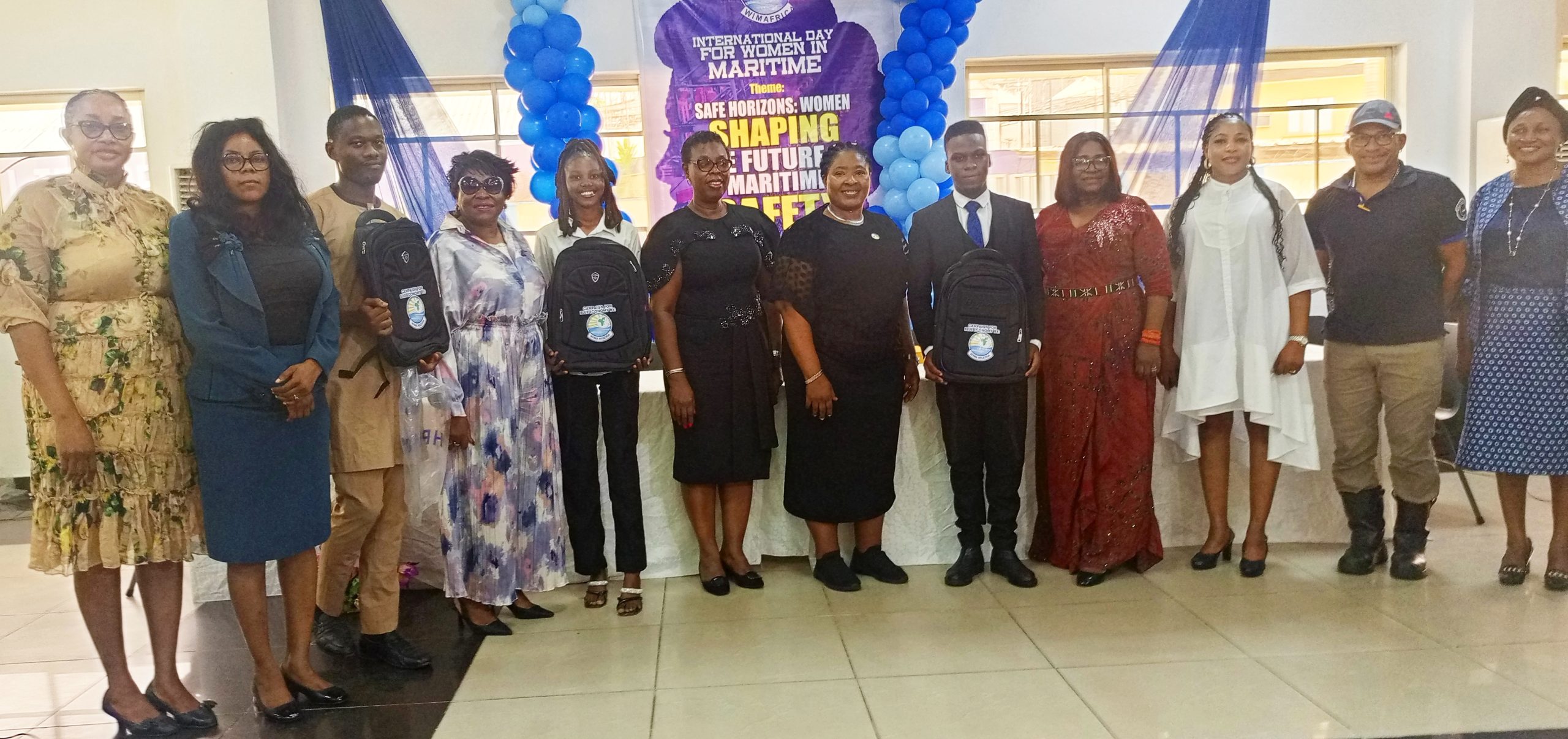
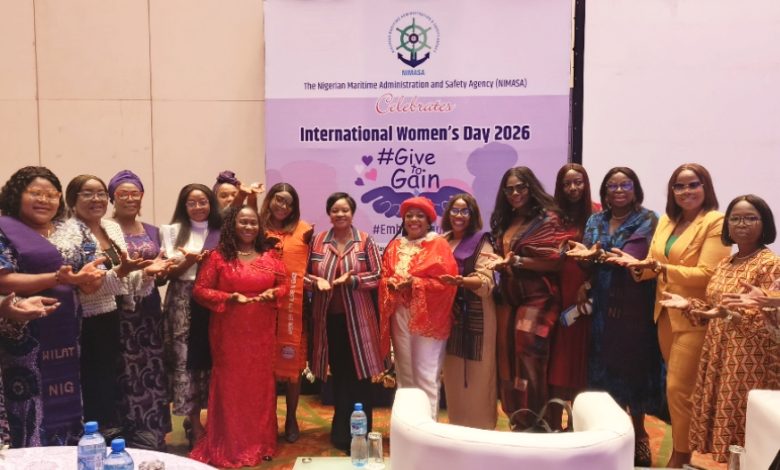
Smiles lit up the hall, laughter echoed across the room and a strong sense of purpose filled the air as women from across Nigeria’s maritime industry gathered in Lagos on Thursday to celebrate their growing influence in a sector once dominated by men. Beyond the camaraderie and warm exchanges, the moment emphasised the reality that women are steadily reshaping the future of Nigeria’s maritime and logistics landscape.

Although the gathering formed part of activities marking the 2026 edition of International Women’s Day (IWD) organised by the Nigerian Maritime Administration and Safety Agency in Lagos, the event presented a floodlight that demystified difficult tax issues and other germane maritime industry woes.


Addressing the gathering, the Director-General of NIMASA, Dr. Dayo Mobereola, encouraged women to take advantage of the vast opportunities in Nigeria’s marine and maritime sector, describing the industry as one of the country’s most underexplored yet promising economic frontiers.
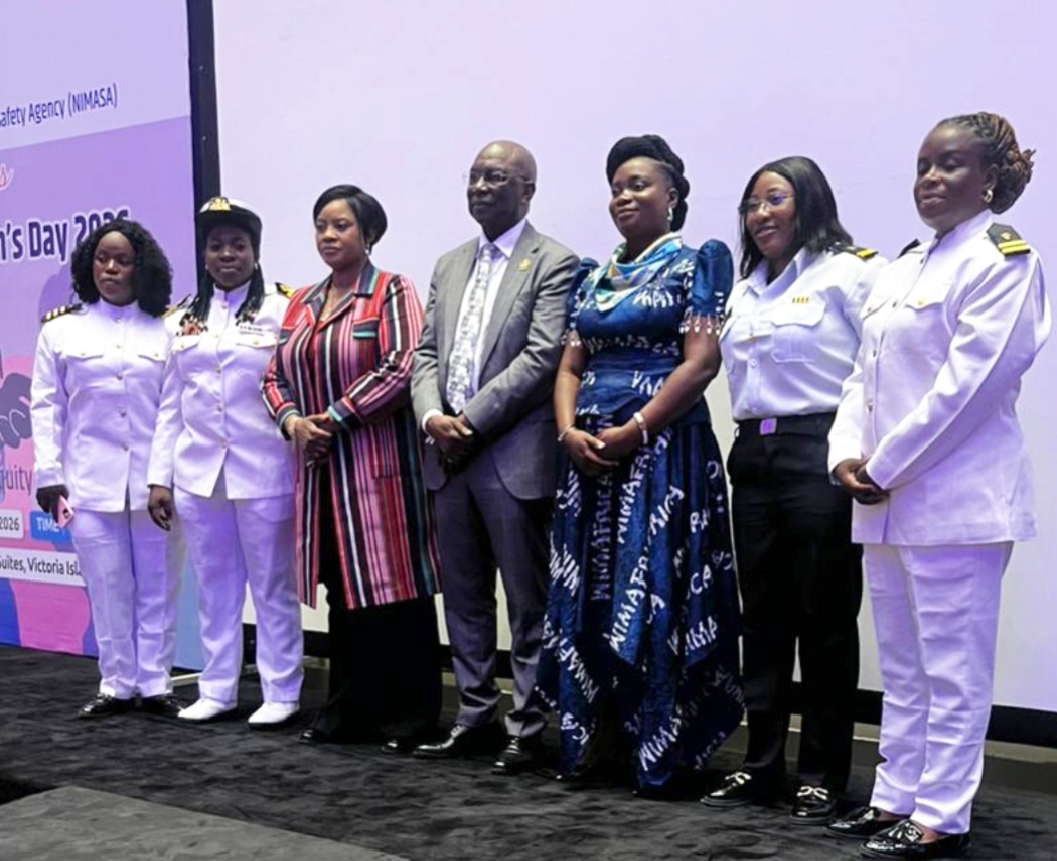
Mobereola maintained that women already occupy a significant number of leadership positions within the agency due to their competence and efficiency. He added that the agency remains committed to ensuring fair representation for women in employment while accelerating their participation in management positions.
“My message for women is that the marine sector, as well as the economy, has huge potential and remains one of the biggest sectors in Nigeria that is still untapped. It is therefore a good opportunity for women to explore the various careers, professional opportunities and investments available in the industry,” he said.
In her welcome address, Chairman of the Planning Committee, Dr. Odunayo Ani, said the celebration provided an opportunity not only to recognise the achievements of women in maritime and global trade but also to examine policy and regulatory issues shaping their participation in the industry.
Ani, who is also President of Women’s International Shipping and Trading Association (WISTA) Nigeria, explained that the theme of the event, “Give Compliance to Gain Longevity: Navigating Nigeria’s Tax Reform Opportunities for Women in Shipping and Global Trade,” was carefully chosen to help women better understand ongoing reforms within Nigeria’s fiscal and regulatory frameworks, particularly taxation.
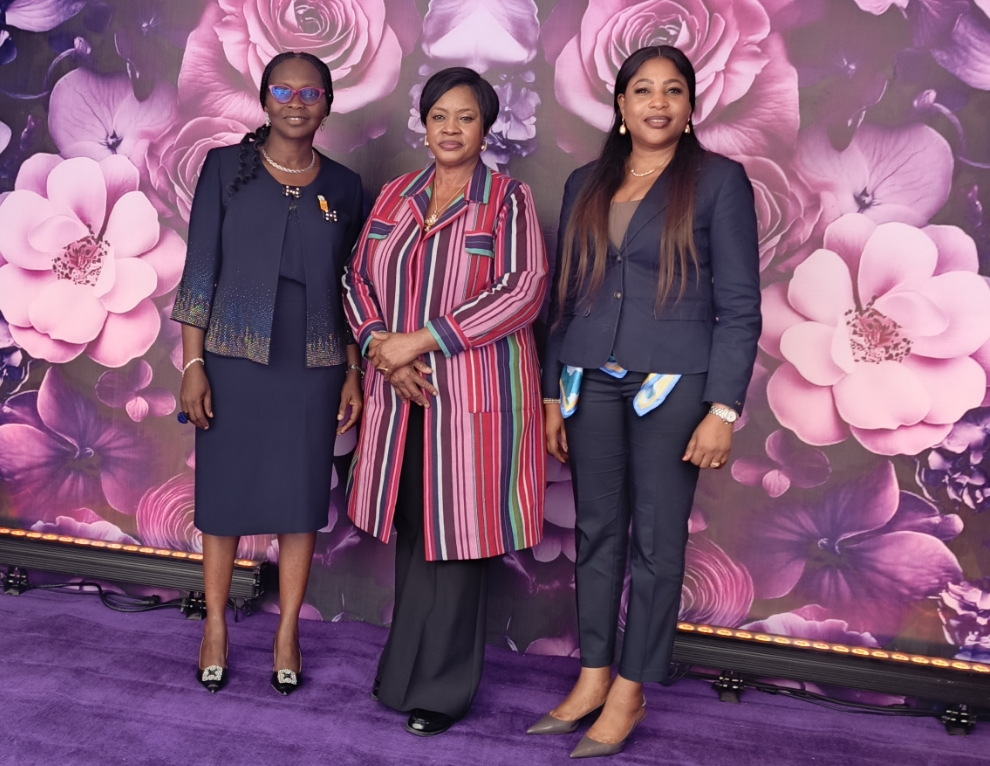
“In the maritime and shipping sectors, compliance is often seen simply as a requirement imposed by regulators. However, today’s theme encourages us to see compliance as a pathway to longevity, credibility and long-term success,” she said.
Ani added that businesses operating within transparent and well-structured regulatory systems are better positioned to attract investment, build resilience and expand beyond national borders. She urged women entrepreneurs in maritime logistics, port operations, freight forwarding and international trade to equip themselves with the knowledge required to navigate regulatory frameworks and leverage emerging opportunities through collaboration and strategic compliance.
She also commended the leadership of the NIMASA Director-General for creating an enabling environment that allows women within the agency to grow professionally and contribute meaningfully to the development of the maritime sector.
In her goodwill message, President of African Women in Maritime (WIMA) Nigeria, Theodora Nwaeze, said the growing recognition of women in the maritime industry reflects decades of dedication and professionalism demonstrated by women across the sector.
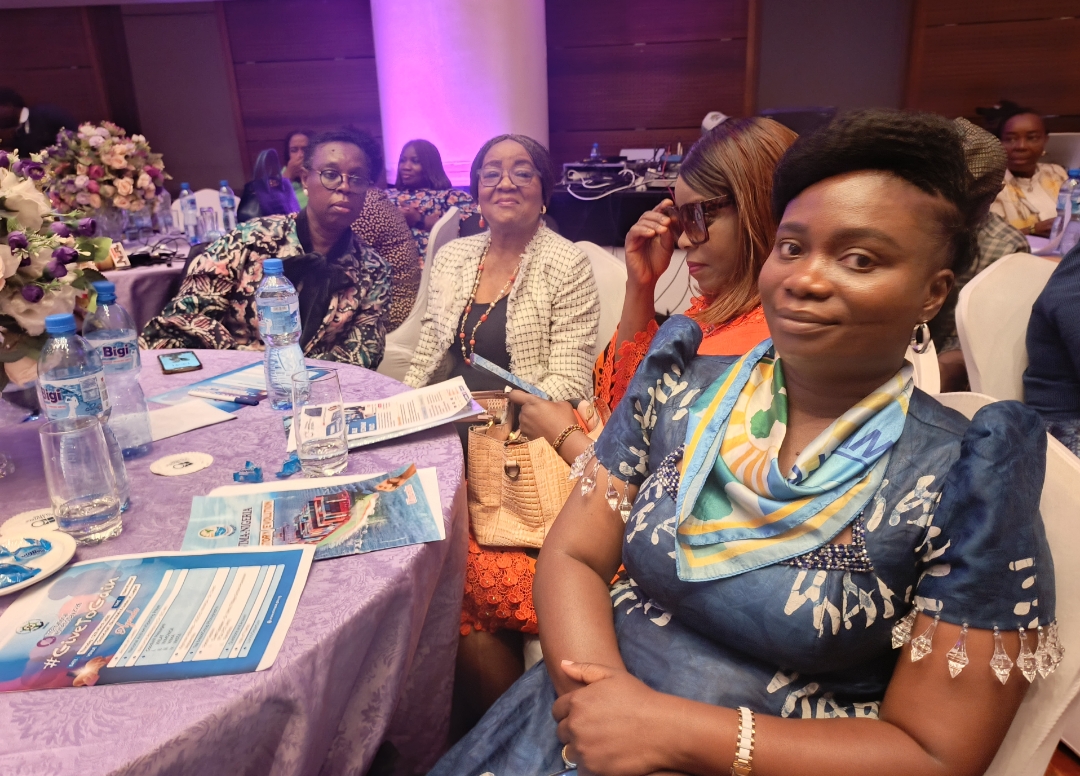
She noted that the rising visibility of women across various maritime fields reflects years of persistence by female professionals who challenged barriers and created opportunities for others to follow.
Nwaeze explained that the mission of WIMA Nigeria is anchored on four key pillars; empowerment, collaboration, innovation and national visibility, which guide the organisation’s efforts to strengthen women’s role in Nigeria’s maritime space.
Nwaeze also described the event as a strong demonstration that the Nigerian maritime industry increasingly acknowledges the value women bring to its growth and sustainability.
While delivering the guest lecture, the Technical Consultant, FTE Professional Services Limited, Dr. Titilayo Fowokan, emphasised that one of the most critical requirements for women entrepreneurs navigating Nigeria’s evolving tax environment is proper record keeping.
She noted that many small businesses run into difficulties with tax authorities primarily because they fail to maintain accurate financial records. She therefore recommended proper documentation of transactions, income and expenses, stressing that record keeping provides the foundation for tax compliance and financial transparency.
Fowokan also encouraged women entrepreneurs to develop basic tax literacy, explaining that business owners do not necessarily need to be tax experts but must clearly understand their fundamental tax obligations and timelines.
Meanwhile, the Chairperson of the Women in Logistics and Transport (WiLAT) Nigeria, Khadijat Sheidu-Shabi, highlighted the importance of leadership, mentorship, empowerment, entrepreneurship and corporate social responsibility in advancing women’s participation in logistics and transport.
She explained that WiLAT draws its membership from several transport and logistics sectors including maritime, rail, aviation and supply chain management, focusing on capacity building and professional development for women.
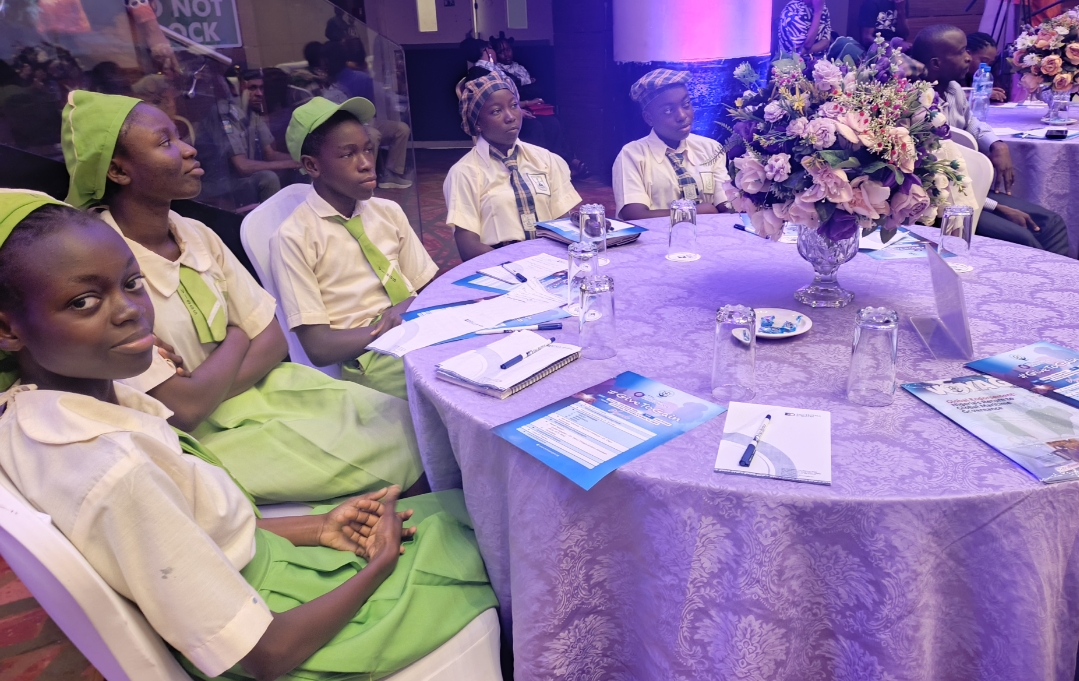
From secondary school students adorning their uniforms to female cadets dress in their immaculate white, maritime administrators to maritime lawyers, freight forwarders to port workers, human resource experts to accountants, the ballroom had a perfect an ambience for networking and availed mentees a rare platform to engage mentors.
Stakeholders at the event emphasised that stronger collaboration among government agencies, professional associations and industry players will be key to expanding opportunities for women and ensuring their meaningful participation in Nigeria’s growing maritime economy.