
Listen to story here
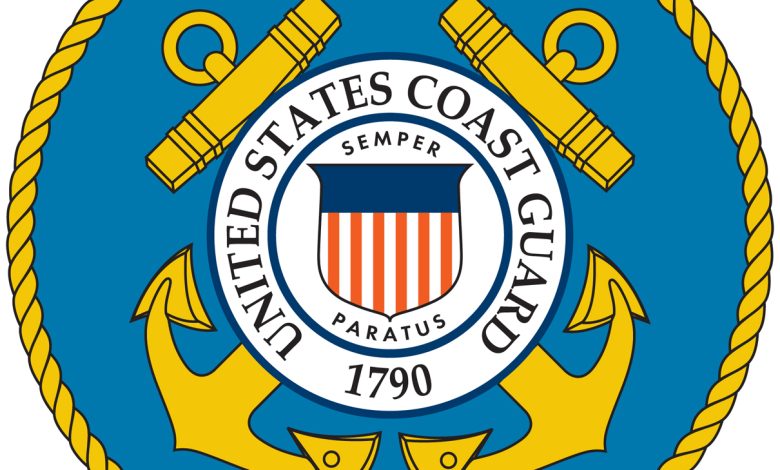
The United States Coast Guard (USCG) has lifted the 12-year Condition of Entry (CoE) imposed on vessels calling at Nigerian ports, a development expected to reduce shipping costs, eliminate additional security requirements and improve the competitiveness of Nigerian ports.
Minister of Marine and Blue Economy, Dr. Adegboyega Oyetola, announced the development, describing it as a major milestone in Nigeria’s efforts to strengthen maritime security and align its port facilities with international standards.


The CoE, which took effect on June 25, 2014, subjected vessels bound for the United States after calling at designated Nigerian ports within their previous five port calls to enhanced security measures and additional scrutiny before entering US waters.

Its removal means vessels making such voyages will no longer face the additional USCG security requirements imposed specifically under the restriction.
For shipping operators, the change is expected to translate into lower operating costs through reduced additional inspections, documentation, security measures and entry-related delays. It could also improve vessel turnaround and schedule reliability, while reducing costs associated with prolonged port and voyage operations.
Oyetola said the decision followed sustained improvements in Nigeria’s maritime security architecture and implementation of the International Ship and Port Facility Security (ISPS) Code.
Over the past two years, the USCG conducted four comprehensive assessments of Nigeria’s national maritime security framework and port facilities between March 2024 and April 2026.
The assessments, conducted in March and April 2024, March 2025 and April 2026, recorded significant progress in Nigeria’s maritime security performance and ISPS Code implementation, culminating in the lifting of the CoE.
“The lifting of the Conditions of Entry is a major milestone for Nigeria’s maritime sector. It is a strong affirmation of the progress we have made in strengthening maritime security and implementing the ISPS Code across our ports and facilities,” Oyetola said.
He added that the government would sustain the reforms to ensure Nigeria remains a “safe, secure and competitive destination for international shipping.”
The Minister attributed the achievement to the collaboration between the Federal Ministry of Marine and Blue Economy, the Nigerian Maritime Administration and Safety Agency (NIMASA), other government agencies, port and terminal operators, shipping companies and maritime stakeholders.
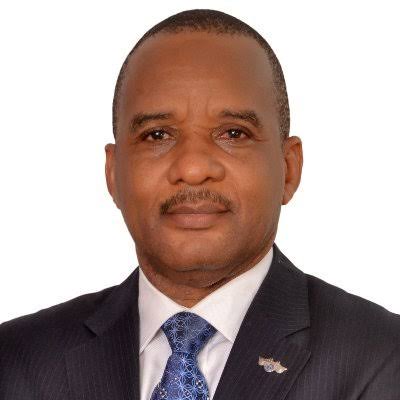
He also commended NIMASA Director-General, Dr. Dayo Mobereola, and his team for their contribution to the development.
Beyond immediate cost savings, the removal of the restriction could strengthen the attractiveness of Nigerian ports to international shipping lines by improving operational efficiency and reducing the perception of additional compliance burdens associated with calling at the country’s ports.
The development is also expected to support increased shipping activity, trade and investment, with potential benefits for employment and port revenues.
For more than a decade, the additional US security requirements imposed on vessels trading between Nigeria and the United States had increased compliance and operating costs for shipping companies, while additional inspections and documentation contributed to delays and affected vessel turnaround.
The lifting of the CoE marks the removal of a longstanding operational burden and provides another boost to Nigeria’s drive to improve port competitiveness and deepen its participation in global maritime trade.